5 Home Staging Trends to Watch

Staging professionals offer up ideas for prepping properties.

How has the pandemic influenced home stagers? Bloggers from REALTOR® Magazine’s Styled, Staged & Sold team of staging professionals offer up ideas for prepping properties.

Send cozier vibes. “Cozy is the new ‘luxury.’ We’re using more place settings on tables, setting up a coffee station with a tray, mugs, and napkins, displaying magazines and books on coffee tables, and draping fur throw blankets over beds—all of this conveys a more homey feel. Outside, we’ll have a fire pit surrounded by chairs or a hammock on the lawn.” —Krisztina Bell, No Vacancy Inc. and Virtually Staging Properties Inc.

Give prominence to the home office. “We’re seeing the home office as an area to stage. We either stage a room that was clearly built as an office or we create a space for use as an office. The rise of people working from home means showing a space that can be used for that purpose. We’ve invested in more desks and office items to support the growing request.” —Jennie Norris, International Association of Home Staging Professionals

Spotlight outdoor living. “The ‘bonus room’ may now be your livable outdoor space. Home staging will not stop at the back door. From pretty porches that offer an optimal first impression to an outdoor haven that expands the home’s living space—staging in 2021 will embrace the entire property.” —Julea Joseph, Reinventing Space

Bring on the natural light. “The pandemic has created a higher level of anxiety. Studies suggest that natural light from great windows or enclosed outdoor spaces can boost people’s mood and, over the long term, improve mental health.” —Karen Post, Home Frosting

Offer contactless services. “We’ve offering our staging clients a safe and cost-effective way to enhance their property’s appeal and engage buyers with new virtual staging consultations and ‘staging box’ services. After our experts take a virtual tour of the seller’s home,, we provide ‘staging box’ options with front-door delivery. The box includes things like sofa pillows, rugs, wall art, lighting, bedding, and tabletop accessories, with detailed placement instructions and other guidance as needed.” —Patti Stern, PJ & Company Staging and Interior Decorating

National Association of REALTORS®
Reprinted with permission

How Affordable Housing Is Ramping Up

Despite the rising costs of labor and materials, more developers and nonprofit organizations are helping fill the void in the much-needed affordable housing market.

3 Takeaways:

  • Health outcomes are directly related to the quality of a person’s living environment.
  • Affordable housing developments today include a greater number of efficiencies and amenities.
  • Having a mix of incomes can widen a development’s appeal.

Affordable housing was already in great demand prior to the COVID-19 pandemic. With many businesses forced to shutter and lay off or furlough staff, those who found it hard to pay rent and other living expenses face a greater challenge to care for themselves and their family.

But the good news is that affordable projects are still being developed. New housing solutions in that category offer many features that market-rate units offer: energy efficiency, sustainability, low maintenance, amenities, and flexible layouts.

In fact, Eugene Flotteron, principal at New York City-based CetraRuddy, thinks affordable housing has become the most innovative, sought-after sector for work in the multifamily market. He attributes it to projects going through a highly competitive request for proposal process, which pushes developers and architects to provide programming and building solutions that respond to resident and community needs.

Another reason is the trend of teaming with partners that share costs and bring valued services to residents of an affordable building and neighborhood.

“We’re no longer just building housing but helping to rebuild communities,” says Albert Milo, president of the Related Group’s Miami-based Related Urban Development Group.

Here are other ways affordable communities are coming alive.

New Partnerships

Those joining forces now represent a mix of new and different types of collaborations. 2Life Communities, a Boston-based nonprofit developer, owner, and operator, describes its approach as helping seniors “age in community” rather than the usual aging in place within a single apartment or home. The 55-year-old organization develops housing for older adults that is affordable and offers supportive services aimed at helping each person achieve their goals for this phase of their lives. 2Life actively seeks out creative partners to enhance what it can offer residents and extend the degree of affordability for the full length of their lives, says President and CEO Amy Schectman.

In June 2019, the Boston Housing Authority selected 2Life to partner on the redevelopment of the J.J. Carroll Apartments in Boston’s Brighton neighborhood, with a new 142-unit building that is modern in design to meet current sensibilities. It’s energy-efficient, recognizing the importance of reducing the carbon footprint, and accessible, using universal design and adaptable features so residents can remain in their apartments for life.

Residents will have access to the community space in 2Life’s adjacent Brighton campus, in addition to indoor and outdoor spaces for recreation and connecting. There will also be an 11,000-square-foot Program of All-Inclusive Care for the Elderly Center, which will provide comprehensive community-based health and home care services to residents and neighbors.

The Related Group also has partnered with public housing authorities in Florida to redevelop sites for affordable and workforce housing when existing buildings were outdated but the land on which they sat was ripe with potential and offered proximity to jobs. In each case, the company demolished or rehabilitated existing housing and constructed buildings that comply with Americans with Disabilities Act requirements and green building codes, and have room for commercial, educational, and health care facilities, says Milo.

Its Liberty Square project in Miami will include 1,500 mixed-income apartments, replacing the city’s oldest public housing project, and its River Parc project, also in Miami, will house 2,500 senior, affordable, and workforce apartments, the latter for families with incomes between 60% to 140% of area median income.

Cleveland-based developer The NRP Group uses a slightly different playbook, seeking health care provider partners because it agrees with the Centers for Disease and Prevention that 60% of a person’s health outcome is directly related to the quality of their living environment, says Scott Skinner, development associate.

“If someone has access to safe, quality, affordable housing, they’re less likely to frequent an emergency room and more likely to engage in preventive health care,” he says. To make this easier, his company builds spaces into its affordable buildings where programming can focus on healthy living and cooking, workforce training, and childcare. For its Churchill Gateway development, it is partnering with University Hospitals Health Systems in Cleveland to build affordable housing with an outreach center for health education and workforce training. At its Clark-Fulton neighborhood mixed-use project, it has partnered with Cleveland-based MetroHealth System, and the building will be constructed on the hospital campus using low-income tax credits.

Institutional investors have also become partners, seeing an opportunity to reap a steady income stream, says Adam Ducker, senior managing director of RCLCO, a real estate consulting firm based in Bethesda, Md. New developments are also showcasing an area’s heritage, Ducker says, citing the transit-oriented El Centro de la Reza development that reflects Seattle’s Latino community and offers affordable housing, retail, offices, classrooms, and a cultural center.

Activated Streetscapes

Because affordable housing is considered a way to strengthen a neighborhood, the ground floor, and outdoor streetscape are designed to bring them to life by increasing foot traffic, says Flotteron. One strategy is to allow passersby to see through glass walls into active spaces. At CetraRuddy’s 535 W. 43rd Street building in New York, where 20% of the units are affordable, 7-and-a-half-foot-high windows permit a “dialogue with the neighborhood and showcase activity from within,” Flotteron says.

Two projects from New York-based Body Lawson Associates take this approach. Its Marcus Garvey Village, going up in New York’s West Harlem neighborhood for low- and moderate-income families, will include 169 affordable units and a community facility. The mixed-use Peninsula building on almost 5 acres in the Bronx features six buildings with 740 units, all fully affordable, and includes services such as a school, retail, open space, and light industrial quarters. “The idea is to create places that empower the community,” says architect Victor Body-Lawson.

Community Approval

Generally, in publicly bid RFPs, the community is involved at the beginning of the process to share its needs and remains engaged as the project moves forward, Flotteron says. Architect Jason Boyer of Studio Ma in Phoenix knew that residents and community leaders in Berkeley, Calif., wanted the building he was designing for Capstone Development Partners to be affordable for the target demographic—graduate students and service providers—despite the area’s high $90,000 AMI. All 98 units in the proposed development are studios, with sustainable features, a low energy profile, and street-level retail.

Having a mix of incomes can widen a development’s appeal, which is the case with the mixed-use development The Parks at Walter Reed, on the site of the former Walter Reed Army Medical Center in Washington, D.C. Twenty percent of the 2,100 residential units will be designated affordable for veterans, seniors, and others.

In Princeton, N.J., architect Joshua Zinder, managing partner at Princeton-based JZA+D, developed a solution that helped a 1924 building retain its original character and provide more residential units in a community in need of them. Two of the 10 units are affordable. The building at 30 Maclean Street also reflects a commitment to green building and certification under LEED for Homes, Zinder says.

“The zoning board responded positively to the fact that the development team is composed of local entities. We went a step further, working with the local neighborhood and primarily the African American Masons chapter that previously occupied the building when it was a meeting house,” Zinder says.

They preserved what was special about the building’s facade—most notably the cornerstone and original signage. But the commitment to having affordable units was critical to winning the approval, he says.

Enhanced Sustainability

To know which systems might produce the best sustainability, developers now hire energy consultants who model outcomes. New York-based Bright Power has found that electrifying buildings—which eliminates the use of fossil fuels—offers excellent performance and a good return on investment, says Andrea Mancino, executive vice president.

When Chelsea, Mass.–based The Architectural Team designs multifamily, affordable housing, it may use both sustainable and passive house design. The latter involves a set of principles that help achieve a high degree of energy efficiency, according to the Passive House Institute. ”Many low-income housing funding agencies strongly encourage designing to passive house standards in order for projects to secure highly competitive funding,” says TAT associate Jay Szymanski. The goal, he says, is to reduce a project’s overall energy consumption, which, in turn, reduces residents’ costs.

Designing smart mechanical systems also keeps interiors breathable through controlled ventilation. By collaborating with the Boston Housing Authority and developer Beacon Communities, TAT redesigned The Anne M. Lynch Homes at Old Colony in South Boston into fully affordable mid-rise buildings and townhomes, along with a passive house building for low-income seniors.

“The project reflects an emerging national wave of affordable multifamily housing built to stringent energy-saving standards,” Szymanski says.

Another way to improve sustainability is with materials. At its emerging 350 Clarkson Avenue building in Brooklyn, N.Y., where 30% of 280 units will be affordable, CetraRuddy has created a masonry façade with copper panel details, which break up the scale in a modern way, Flotteron says. Body Lawson Associates used recycled materials to boost sustainability in its 63-unit Home Street Residences for homeless seniors and low-income residents in the Bronx, with an exterior clad partly in gray brick and an interior with site-salvaged wood for some furnishings.

More Amenities

The amenity war that first heated up in market-rate buildings has made its way into affordable housing. On the top of the list is community rooms where residents and neighbors enjoy activities as well as programs, such as workforce readiness training, says Ducker. Developers also often include outdoor activity and living space, as CetraRuddy has with a rooftop terrace at 350 Clarkson. Then there are the extras when space and funding permit. TAT, for instance, is considering incorporating electronic lockers for deliveries and video screens to post messages. In its 43rd Street building, CetraRuddy designed a mailroom as a welcoming hub.

COVID-19 is inspiring design trends as well, such as touchless faucets and light switches and automatic doors, Flotteron says. The units themselves are likely to have open, flexible floor plans, better storage, Wi-Fi provided on site, and maintenance-free materials, such as vinyl plank flooring. Finishes for kitchen appliances have improved to convey a sense of pride, architect Body-Lawson says. And if providing washers and dryers for each apartment isn’t feasible, an effort is made to have machines on each floor, Studio Ma’s Boyer says.

Affordable Housing in Your Community

The market for affordable housing is typically governed by the local need to provide workforce and supportive housing for marginalized members of the community, says Body-Lawson. Affordable housing may be part of the solution both for inclusionary housing and mixed-use developments. For New York City, for example, mandatory inclusionary housing is a zoning tool developed by the Department of City Planning and the Department of Housing Preservation and Development, which requires developers to include affordable housing in areas that are rezoned to allow for more housing development. This promotes low-income and market-rate units to coexist in the same development, he says. And doing this enables new housing developments to enjoy better services while creating a balance in the economic demographics of the community.

Some mixed-use developments with both affordable and market-rate units are mandated by local governing bodies and are often at least partially subsidized. Check with your local municipalities and housing authorities about new and upcoming developments in your community to get a better understanding of current and future affordable inventory.

National Association of REALTORS®
Reprinted with permission

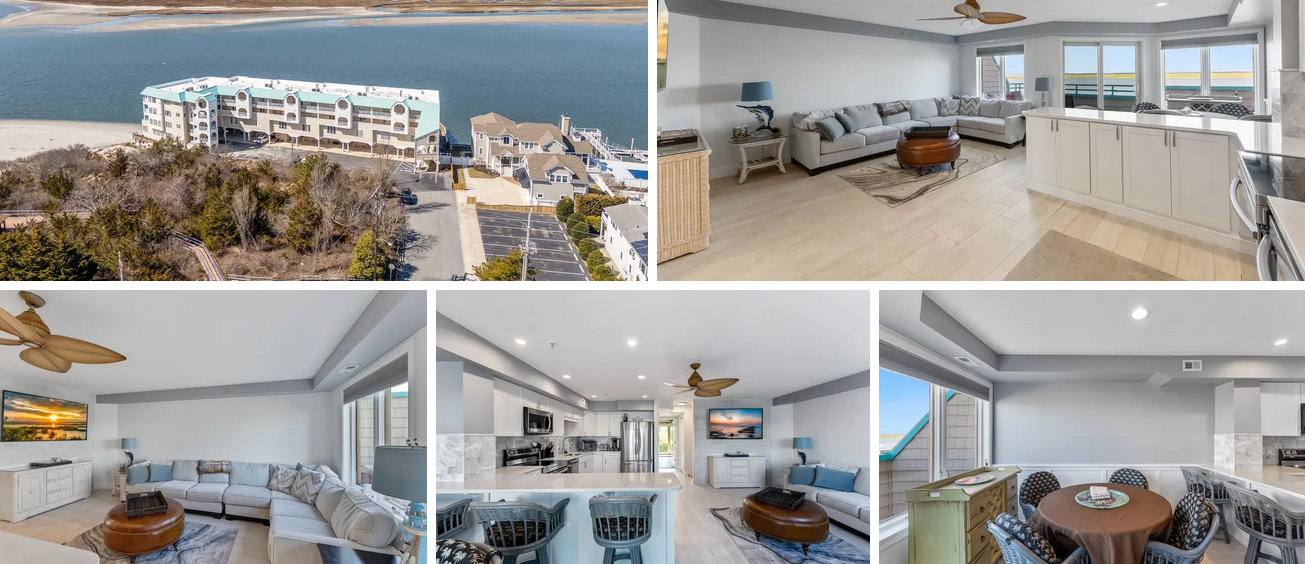
9400 Roberts Ave # 301, Sea Isle City, NJ. 08243 – Jersey Shore Vacation Home.

9400 Roberts Ave # 301, Sea Isle City, NJ. 08243

$1,599,000

Est. Mortgage $10,133/mo*
3 Beds
2 Baths
1496 Sq. Ft.

Listing courtesy of Roberta Freiberg – KELLER WILLIAMS REALTY JERSEY SHORE – SIC
Description about 9400 Roberts Ave # 301, Sea Isle City, NJ. 08243

Coastal Living at its finest with an open floor plan, third floor corner unit with magnificent panoramic water/sunset views. Located right on the inlet across the bridge from Avalon. This 3 bedroom unit has an outside storage closet, fishing piers and boat slips for your guest plus private beach access! Perfect year round get-away! You won’t have to leave your home to enjoy nature at the beach.

Home Details for 9400 Roberts Ave #301

Interior Features 9400 Roberts Ave # 301, Sea Isle City, NJ. 08243
Interior DetailsNumber of Rooms: 5
Beds & BathsNumber of Bedrooms: 3Number of Bathrooms: 2Number of Bathrooms (full): 2
Dimensions and LayoutLiving Area: 1496 Square Feet
Appliances & UtilitiesAppliances: Range, Self Cleaning Oven, Microwave, Refrigerator, Washer, Dryer, Dishwasher, Disposal, Electric Water HeaterDishwasherDisposalDryerMicrowaveRefrigeratorWasher
Heating & CoolingHeating: Natural Gas,Baseboard,Hot Water,Fireplace(s)Has CoolingAir Conditioning: Central AirHas HeatingHeating Fuel: Natural Gas
Fireplace & SpaHas a Fireplace
Windows, Doors, Floors & WallsFlooring: Carpet, Tile
Levels, Entrance, & AccessibilityLevels: OneFloors: Carpet, Tile
ViewHas a ViewView: Water
SecuritySecurity: Smoke Detector(s)
Exterior Features
Parking & GarageParking Spaces: 2Parking: 2 Car,Assigned
FrontageWaterfrontWaterfront: Bay Front, Beach FrontOn Waterfront
Water & SewerSewer: City, Public Sewer
Days on Market
Days on Market: 6
Property Information
Year BuiltYear Built: 1991
Property Type / StyleProperty Type: ResidentialProperty Subtype: Condominium
BuildingNot a New Construction
Property InformationIncluded in Sale: Furniture
Price & Status
PriceList Price: $1,599,000Price Per Sqft: $1,069
Active Status
MLS Status: ACTIVE
Location
Direction & AddressCity: Sea Isle City

PLEASE NOTE: Some properties which appear for sale on this website may no longer be available because they are under contract, have sold or are no longer being offered for sale, they may also have updated pricing and conditions. Please Contact Me for more information about 9400 Roberts Ave # 301, Sea Isle City, NJ. 08243. and other Homes for sale in Delaware County PA and the Wilmington Delaware Areas
Anthony DiDonato
ABR, AHWD, RECS, SRES
, SFR
CENTURY 21 All-Elite Inc.

Home for Sale in Delaware County PA Specialist
3900 Edgmont Ave, Brookhaven, PA 19015
Office Number: (610) 872-1600 Ext. 124
Cell Number: (610) 659-3999 {Smart Phones Click to Call}
Direct Number: (610) 353-5366 {Smart Phones Click to Call}
Fax: (610) 771-4480
Email: anthony@anthonydidonato.com
Call me for info on 9400 Roberts Ave # 301, Sea Isle City, NJ. 08243

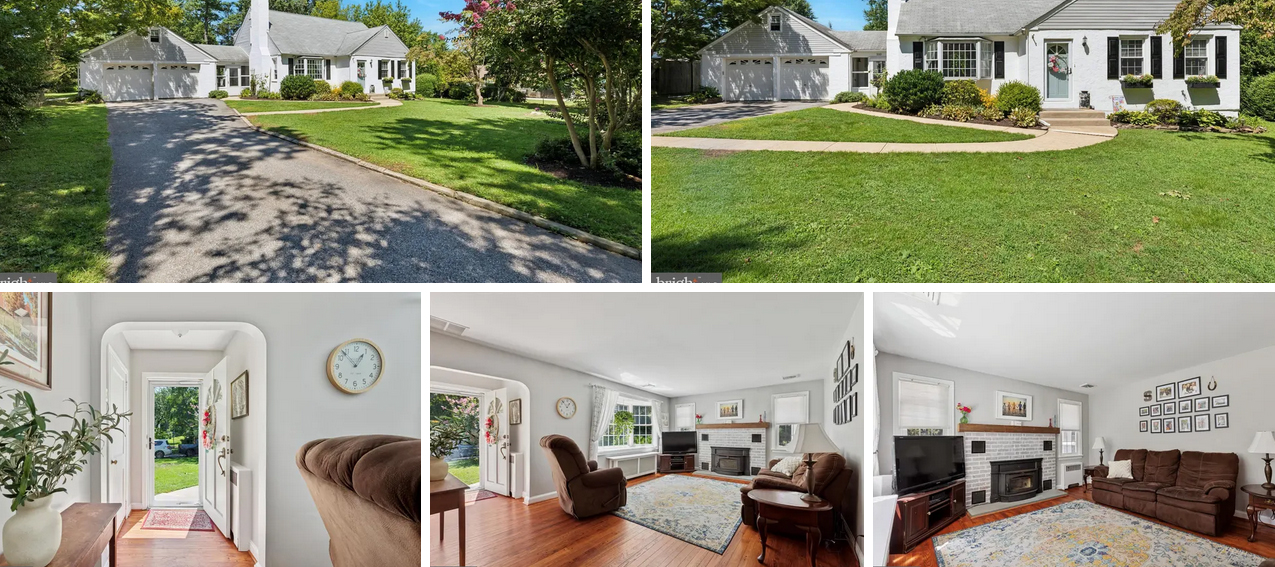
128 2nd Ave, Broomall, PA. 19008 – Delco / Delaware County Home.

128 2nd Ave, Broomall, PA. 19008

$500,000

Est. Mortgage $3,315/mo*

3 Beds
3 Baths
1508 Sq. Ft.

Listing courtesy of Amy Fizzano Krauter – Fizzano Family of Associates LLC.

Description about 128 2nd Ave, Broomall, PA. 19008

Spring has sprung… and so has your chance to own this BROOMALL BEAUTY!128 2nd Avenue has been well loved and meticulously cared for during the current ownership, but is not ready for the next chapter. Conveniently located near all the wonderful things Broomall has to offer. Easily accessible to the library, park, elementary school, Lawrence Park shopping and so much more! Tucked quietly into a neighborhood, but easily accessible to Sproul Road, Route 3 and 476. The house is bright with ample windows throughout allowing sunlight to pour inside at every turn. The first floor boasts hardwood floors through the large living and dining room. The eat in kitchen has plenty of space for cooking and entertaining. PORCH SEASON is here and this one will not disappoint. A newer large deck will make enjoying these Spring and dare I say..SUMMER NIGHTS a breeze! The deck overlook the spacious yard with room for the entire family. Love to garden? Plenty of space to do so here. Your furry friend will be the talk of the neighborhood with this yard! Ready for bed? Head upstairs to three spacious bedrooms. Large primary bedroom with en-suite bathroom! Two additional bedrooms and full bathroom complete the second floor. BUT WAIT– THERE IS MORE! This basement is PARTY READY! Do not miss this beautifully finished space perfect for everyone to enjoy… work from home… exercise…storage! Showings to begin Friday, March 21! One year Shield Plus Home Warranty!!! Marple Newtown School District- GO TIGERS!!!

Home Details for 128 2nd Ave

Interior Features on 128 2nd Ave, Broomall, PA. 19008
Interior DetailsBasement: Full,Exterior Entry,Rear Entrance,Walkout LevelNumber of Rooms: 1Types of Rooms: Basement
Beds & BathsNumber of Bedrooms: 3Number of Bathrooms: 3Number of Bathrooms (full): 2Number of Bathrooms (half): 1Number of Bathrooms (main level): 1
Dimensions and LayoutLiving Area: 1508 Square Feet
Appliances & UtilitiesUtilities: Natural Gas Available, Cable AvailableAppliances: Dryer, Built-In Microwave, Dishwasher, Oven/Range – Gas, Refrigerator, Stainless Steel Appliance(s), Washer, Water Heater, Gas Water HeaterDishwasherDryerLaundry: Has Laundry,Lower LevelRefrigeratorWasher
Heating & CoolingHeating: Hot Water,OilHas CoolingAir Conditioning: Central A/C,ElectricHas HeatingHeating Fuel: Hot Water
Fireplace & SpaNo Fireplace
Gas & ElectricElectric: 200+ Amp Service
Windows, Doors, Floors & WallsFlooring: Hardwood, Partially Carpeted, Carpet
Levels, Entrance, & AccessibilityStories: 2Levels: TwoAccessibility: NoneFloors: Hardwood, Partially Carpeted, Carpet
Exterior Features
Exterior Home FeaturesRoof: ShingleOther Structures: Above Grade, Below GradeFoundation: OtherNo Private Pool
Parking & GarageNo CarportNo GarageNo Attached GarageHas Open ParkingParking Spaces: 3Parking: Paved Driveway,Private,Off Street
PoolPool: None
FrontageNot on Waterfront
Water & SewerSewer: Public Sewer
Farm & RangeNot Allowed to Raise Horses
Finished AreaFinished Area (above surface): 1508 Square Feet
Days on Market
Days on Market: 1
Property Information
Year BuiltYear Built: 1978
Property Type / StyleProperty Type: ResidentialProperty Subtype: Single Family ResidenceStructure Type: DetachedArchitecture: Cape Cod
BuildingConstruction Materials: Vinyl Siding, Aluminum SidingNot a New ConstructionNo Additional Parcels
Property InformationCondition: Very GoodNot Included in Sale: Personal PropertyIncluded in Sale: Ss Refrigerator, Wall Mounted Tv In The BasementParcel Number: 25000422900
Price & Status
PriceList Price: $500,000Price Per Sqft: $332
Status Change & DatesPossession Timing: Delay Settlement, Negotiable, Seller Rent Back
Active Status
MLS Status: COMING SOON
Media
See Virtual Tour
Location
Direction & AddressCity: BroomallCommunity: None Available
School InformationElementary School District: Marple NewtownJr High / Middle School: Paxon HollowJr High / Middle School District: Marple NewtownHigh School: Marple NewtownHigh School District: Marple Newtown

PLEASE NOTE: Some properties which appear for sale on this website may no longer be available because they are under contract, have sold or are no longer being offered for sale, they may also have updated pricing and conditions. Please Contact Me for more information about 128 2nd Ave, Broomall, PA. 19008. and other Homes for sale in Delaware County PA and the Wilmington Delaware Areas
Anthony DiDonato
ABR, AHWD, RECS, SRES
, SFR
CENTURY 21 All-Elite Inc.

Home for Sale in Delaware County PA Specialist
3900 Edgmont Ave, Brookhaven, PA 19015
Office Number: (610) 872-1600 Ext. 124
Cell Number: (610) 659-3999 {Smart Phones Click to Call}
Direct Number: (610) 353-5366 {Smart Phones Click to Call}
Fax: (610) 771-4480
Email: anthony@anthonydidonato.com
Call me for info on 128 2nd Ave, Broomall, PA. 19008

‘Horrors’ of Home Design

REALTOR® Magazine’s Styled, Staged & Sold blog counts down some of the cringeworthy decorative choices people are making while hunkering down at home.

Homes are meant to be a source of comfort and refuge. But as if 2020 hasn’t been horrifying enough, some skin-crawling home decor trends have emerged this year—and designers hope they’ll be forgotten quickly. Last Halloween, REALTOR® Magazine’s Styled, Staged & Sold blog highlighted some of the most horrifying design trends of all-time. (Furry toilet seat covers still give us the chills!) For this year’s spooky holiday, the blog counts down some of the biggest decorative frights in a terrifying year.

10. Mason Jars

Crafty people, inspired by Pinterest, have been collecting mason jars like they’re as rare as toilet paper in a pandemic. This signature farmhouse aesthetic encouraged a range of DIY design projects, including filling mason jars with flowers, candles, or candy. They clutter countertops with forgettable decor. Interest in mason jar designs has plunged 40% since its 2015 peak, according to Living Spaces. Nowadays, save the mason jars for storing jam.

9. Chalkboard Walls

DIY chalkboard walls or chalkboard wall paint first graced children’s rooms as a cute and whimsical accent. Then, unfortunately, the aesthetic started edging into other spaces in the home. Designers want to erase this now-outdated trend from memory. Reserve walls for paint, not scribbles.

8. Macramé

This 1970s throwback began a renaissance via Bohemian-style tapestries on walls, known as macramé, and fringed edging on furnishings. But most of us prefer to leave the past in the past—especially when it comes to the decade of disco— and, alas, fringe once again is being sent back into its time capsule.

7. ‘Millennial Pink’

Millennials may have been unfairly blamed for going overboard with pink; others have made this mistake, too. But it’s when the trend started popping up in the bathroom, with pink sinks and tubs, that homeowners started to say, “Enough is enough.” As older generations know well, colorful bathrooms can lead to regret. Don’t let history repeat itself.
 

6. Antlers

Many designers attempted to modernize taxidermy. White, brass-trimmed, fake deer wall mounts started surfacing on walls. Designers now say they look kitschy.

5. Chevron

That continuous “V” pattern can make your eyes do funny things if you stare at it too long. And with more people hunkering down at home during the pandemic, chevron has really become a sore sight for the eyes. Chevron-patterned accessories—rugs, pillows, and linens—are being cast aside for more toned-down patterns.

4. Gray Interiors

The gloom and doom of 2020 has been depressing enough, with a continuous train of bad news. Do we really want our interiors to make us feel gray, too? All-gray interiors—floor-to-ceiling paint, along with gray furnishings and cabinets—make us long for vibrant color pops, like in blues, greens, or yellows, that bring us hope.

3. Furry Furniture

Faux sheepskin chairs, sofas, and furniture coverings had their heyday in college dorms, and they even adorned the interiors of luxury homes for a time. But no one ever warned us how matted these pieces can get after use. No one should ever have to comb their furniture—period.
 

2. Wallpapered Ceilings

Metallic wallpaper on the ceiling looks chic in magazine photos and TV design shows. But in reality, wallpaper on a ceiling is a terrible idea. Wallpaper has proven to be a short-term fad that comes and goes through the years. Save yourself the trouble of putting it up—and then taking it down in short order.

1. Cluttercore

Some homeowners have embraced a lived-in look while spending more time at home during the pandemic. But there’s a reason minimalism has worked before. Social media tried to tell us “cluttercore”—a backlash to Marie Kondo’s decluttering movement—was in vogue. Instead, cluttercore dictates stuffing every shelf and wall space with knickknacks. It’ll bring you greater comfort, cluttercore enthusiasts say. Let’s get real: Clutter is never cool, even in a pandemic.

National Association of REALTORS®
Reprinted with permission

‘Homework’: The Rise of the Home Office

Families cramped together around a kitchen table, working, and learning online isn’t sustainable for productivity. Now, more home builders and interior designers are carving out workspaces.

Even before the pandemic, the work-from-home trend was growing in popularity. Improved technology and connectivity are allowing people to be more productive at home as employers have offered greater flexibility. But now that COVID-19 has made working from home even more prevalent—coupled with students learning online—many families are finding themselves crowded around the kitchen table or staking out various nooks to accomplish tasks on their laptops or tablets.

Mary Cook, founder of a Chicago-based commercial interior design firm, Mary Cook Associates, has experienced this challenge firsthand. She took the dining room table for her office in her suburban house; one of her three children claimed the sitting area in the parents’ suite, another picked the furnished basement, and the third chose a table in the family room. Fortunately, Cook’s husband is retired and so doesn’t need to compete for working space.

The finagling has made real estate professionals note the need for more functional, designated work-from-home solutions. This has led to the creation of home offices using two techniques: reconfiguring existing spaces or adding new square footage. These new home office designs vary in size and location—some near the main living space or bedrooms, others in basements or attics. There’s also the trend of outdoor accessory dwelling units if the plot size and local building codes permit them.

In addition, some new homes might soon offer multiple workspace options on different levels, says Jeff Benach, a principal of Lexington Homes, a Chicago-area homebuilder. For years, his firm’s plans have included a flexible space on the main level of their three-story townhome design that some homeowners use as an office.

“With the pandemic, more buyers—maybe 50% more—are interested in that plan because of the potential for having an office or e-learning space,” Benach says. “It’s become a bigger priority, and we’ll include it in more designs and communities.”

The company also offers options in other designs, including a lower-level finished space, a loft near bedrooms on an upper level, and a built-in desk with shelves at the top of a stairway.

Pyatt Builders, based in Carmel, Ind., regularly includes a flexible room in its 2,000-square-foot new homes, which the company is now emphasizing on social media and in its email blasts. “It can work as a home office or remote-learning classroom,” says Todd Pyatt, owner and president. Because of concerns around COVID-19 and more homeowners’ desire for private workspace, the company is considering including both a home office and a space designed with more flexibility in its 2021 construction projects, Pyatt says.

One of the country’s largest homebuilders, Los Angeles–based KB Home, recently redesigned some plans that include a fully outfitted home office.

“It’s the first time we’ve specifically offered a dedicated workspace with a range of options that provide an affordable work-from-home experience,” says Jeffrey Mezger, chairman, president, and CEO. The design features a built-in workstation with cabinet space, open shelving, and an upgraded electrical package. Home buyers can customize the space more with soundproofing, lighting, ceiling fans, window treatments—even with a beverage center, half-bath, and outdoor entry.

“The company will add options to meet clients’ evolving needs,” Mezger says. Two of the company’s California communities will introduce the concept, after which the option will be available nationally.

Recognizing the demand for private conversations, another homebuilder, Toll Brothers, based in Horsham, Penn., is developing matching home offices for couples.

Cook, who designs model homes for the company in several markets, says people tend to speak louder when they are on a call or in an online meeting than they do in person. She also points out that home offices work best with enough counter or desk space to spread out papers and set up equipment. Well-designed offices, she says, should be flexible enough to meet the needs of different family members at different times because most homes aren’t large enough to include a separate office for each person.

However, more important than size is creating a quiet space. Before the pandemic hit, KTGY Architecture + Planning used to design “home management center” desks in high traffic areas. Now the company is brainstorming how to close off those centers. Making a space that could be as small as a phone booth with a door would let residents take a call or have a Zoom meeting in private, says Jonathan Boriack, associate principal in the firm’s Oakland office. “It’s not a place where you’d work all day,” he says. His firm’s other solutions are to steal space from a laundry room, pantry, or hallway. “The challenge is to control noise,” he says.

The good news for homeowners who incorporate almost any variation of a home office is that they may be adding value to their home now and beyond. “Remote work is here to stay,” Boriack says.


The Stats

Despite some imperfect workspaces, 86% of North American workers who responded to a March 2020 survey from San Diego–based Global Workplace Analytics, a research and consulting firm, said they felt highly productive working from home, particularly because there were fewer interruptions than in their workplace offices. As the effects of the pandemic have lingered, many workers have been reluctant to return to offices and classrooms, and the work-from-home trend is expected to continue. In a survey from 451 Research, an advisory firm based in New York City, nearly 80% of employers say they’ve established or have expanded their work-from-home policies, and 67% expect those policies to remain in place. Three of the greatest predictors of work-from-home success are self-discipline, high quality remote collaboration, and well-being, according to Global Workplace Analytics.

National Association of REALTORS®
Reprinted with permission

23 Pleasant Road, Broomall, PA. 19008 – Delco / Delaware County PA. Home.

23 Pleasant Road, Broomall, PA. 19008

$414,900

Est. Mortgage $2,761/mo*

2 Beds
1 Bath
868 Sq. Ft.

Listing courtesy of Larry Mcquaid – Keller Williams Real Estate – Media

Description about 23 Pleasant Road, Broomall, PA. 19008

This HOME is ready for you to unpack your bags and just RELAX. Completely renovated throughout and move in READY! Newer central air will enhance your one floor living during the summer months. Walk into a spacious living room with a modern accent wall and beautiful flooring that leads you to a bonus room , great for entertaining , with built in wine bar and sliders to your outdoor patio oasis. Cook up a storm in this newer ultra modern kitchen with beautiful finishes & stainless steel appliances. New full bathroom with hallway storage closet and 2 bedrooms completes your cozy one-floor living! Bessler stairs in hallway leads to an attic for additional storage (partially floored), Full unfinished basement with washer & dryer , newer hot water tank & heater. Pull into your new private driveway leading you to a 24 X 22 detached open garage and a partially fenced spacious yard with a patio that circles you back into your bonus room ! This home is located in an Award winning School District. This Broomall home is easily accessible to all majors roads , transportation & shopping centers. Do NOT miss this opportunity–This adorable house will go fast!! WELCOME HOME!!

Home Details for 23 Pleasant Rd

Interior Features on 23 Pleasant Road, Broomall, PA. 19008
Interior DetailsBasement: Poured ConcreteNumber of Rooms: 1Types of Rooms: Basement
Beds & BathsNumber of Bedrooms: 2Main Level Bedrooms: 2Number of Bathrooms: 1Number of Bathrooms (full): 1Number of Bathrooms (main level): 1
Dimensions and LayoutLiving Area: 868 Square Feet
Appliances & UtilitiesAppliances: Built-In Microwave, Built-In Range, Dishwasher, Dryer – Electric, Extra Refrigerator/Freezer, Stainless Steel Appliance(s), Washer, Electric Water HeaterDishwasherLaundry: In BasementWasher
Heating & CoolingHeating: Heat Pump,ElectricHas CoolingAir Conditioning: Central A/C,ElectricHas HeatingHeating Fuel: Heat Pump
Fireplace & SpaNo Fireplace
Windows, Doors, Floors & WallsFlooring: Carpet, Engineered Wood, Ceramic Tile
Levels, Entrance, & AccessibilityStories: 1Levels: OneAccessibility: NoneFloors: Carpet, Engineered Wood, Ceramic Tile
Exterior Features
Exterior Home FeaturesRoof: ShingleFencing: Chain LinkOther Structures: Above Grade, Below GradeFoundation: Concrete PerimeterNo Private Pool
Parking & GarageNumber of Garage Spaces: 2Number of Covered Spaces: 2No CarportHas a GarageNo Attached GarageHas Open ParkingParking Spaces: 2Parking: Garage Faces Front,Garage Faces Side,Asphalt Driveway,Detached Garage,Driveway
PoolPool: None
FrontageNot on Waterfront
Water & SewerSewer: Public Sewer
Finished AreaFinished Area (above surface): 868 Square Feet
Days on Market
Days on Market: 1
Property Information
Year BuiltYear Built: 1948
Property Type / StyleProperty Type: ResidentialProperty Subtype: Single Family ResidenceStructure Type: DetachedArchitecture: Ranch/Rambler
BuildingConstruction Materials: BrickNot a New Construction
Property InformationCondition: Very GoodNot Included in Sale: All Personnel Property-including All Tv’sIncluded in Sale: Washer-dryer-refrigerator-wine Refrigerator-as Is ConditionParcel Number: 25000374200
Price & Status
PriceList Price: $414,900Price Per Sqft: $478
Status Change & DatesPossession Timing: Immediate, 0-30 Days CD
Active Status
MLS Status: ACTIVE
Location
Direction & AddressCity: BroomallCommunity: Marple Gardens
School InformationElementary School District: Marple NewtownJr High / Middle School District: Marple NewtownHigh School: Marple NewtownHigh School District: Marple Newtown

PLEASE NOTE: Some properties which appear for sale on this website may no longer be available because they are under contract, have sold or are no longer being offered for sale, they may also have updated pricing and conditions. Please Contact Me for more information about 23 Pleasant Road, Broomall, PA. 19008. and other Homes for sale in Delaware County PA and the Wilmington Delaware Areas
Anthony DiDonato
ABR, AHWD, RECS, SRES
, SFR
CENTURY 21 All-Elite Inc.

Home for Sale in Delaware County PA Specialist
3900 Edgmont Ave, Brookhaven, PA 19015
Office Number: (610) 872-1600 Ext. 124
Cell Number: (610) 659-3999 {Smart Phones Click to Call}
Direct Number: (610) 353-5366 {Smart Phones Click to Call}
Fax: (610) 771-4480
Email: anthony@anthonydidonato.com
Call me for info on 23 Pleasant Road, Broomall, PA. 19008

201 87th Street # 204, Sea Isle City, NJ. 08243 – Jersey Shore Vacation Home.

201 87th Street # 204, Sea Isle City, NJ. 08243

$1,099,900

Est. Mortgage $6,864/mo*

3 Beds
4 Baths
1477 Sq. Ft.

Listing courtesy of Ian Ciseck – LONG & FOSTER REAL ESTATE, INC sic

Description about 201 87th Street # 204, Sea Isle City, NJ. 08243

Welcome to The Dunes in highly sought-after Townsend Inlet! Hitting the market for the first time, this second-floor corner unit offers breathtaking OCEAN and BAY views with some of the most spectacular sunsets you’ll ever see. Spanning 1,477 square feet, this sun-drenched, south-facing condo features an open floor plan with 3 bedrooms and 3.5 baths, designed for effortless coastal living. The inviting layout seamlessly connects the spacious living area to a private deck, perfect for soaking in the ocean breeze and the calming sound of the waves. Wake up to breathtaking sunrises in the primary suite, which opens directly onto the deck through sliding glass doors. This tranquil retreat includes an oversized walk-in closet and an en-suite bath with a stall shower, blending comfort and convenience. The second bedroom offers its own private bath with a tub/shower combo and a double-door closet, while the third bedroom features an equally spacious en-suite with a stall shower and a generous closet. A full-size washer and dryer are conveniently tucked into the hallway laundry closet. Thoughtful design elements throughout the condo include ship-lap accent walls, stylish sconces, overhead puck lighting, and ceiling fans, adding a touch of sophistication to this coastal retreat. Enjoy the ease of maintenance-free beach living with TWO reserved covered parking spots and a private storage box for all your beach gear. The building also offers an elevator, outdoor rinse station, bike rack, and shared storage for larger items. Situated just steps from Shore-break Café, Blitz’s Market, Anthony’s, and Sole, this prime location offers unmatched convenience in Townsend Inlet. Whether you’re looking for a personal getaway or a highly desirable investment property, this condo is a fantastic opportunity. Don’t miss your chance to own a piece of paradise—call now for more details!

Home Details for 201 87th St #204

Interior Features on 201 87th Street # 204, Sea Isle City, NJ. 08243
Interior DetailsNumber of Rooms: 8
Beds & BathsNumber of Bedrooms: 3Number of Bathrooms: 4Number of Bathrooms (full): 3Number of Bathrooms (partial): 1
Dimensions and LayoutLiving Area: 1477 Square Feet
Appliances & UtilitiesAppliances: Range, Oven, Self Cleaning Oven, Microwave, Refrigerator, Washer, Dryer, Dishwasher, Gas Water HeaterDishwasherDryerLaundry: Laundry RoomMicrowaveRefrigeratorWasher
Heating & CoolingHeating: Natural Gas,Forced AirHas CoolingAir Conditioning: Central Air,ZonedHas HeatingHeating Fuel: Natural Gas
Windows, Doors, Floors & WallsWindow: Drapes, Curtains, Shades, BlindsFlooring: Hardwood, Carpet, Tile
Levels, Entrance, & AccessibilityLevels: OneAccessibility: Handicap FeaturesFloors: Hardwood, Carpet, Tile
ViewHas a ViewView: Water
Exterior Features
Parking & GarageParking Spaces: 2Parking: 2 Car,Assigned
Water & SewerSewer: City
Days on Market
Days on Market: 6
Property Information
Year BuiltYear Built: 2016
Property Type / StyleProperty Type: ResidentialProperty Subtype: Condominium
BuildingNot a New Construction
Property InformationIncluded in Sale: Drapes, Curtains, Shades, Blinds, Rugs, Furniture
Price & Status
PriceList Price: $1,099,900Price Per Sqft: $745
Active Status
MLS Status: ACTIVE
Location
Direction & AddressCity: Sea Isle City

PLEASE NOTE: Some properties which appear for sale on this website may no longer be available because they are under contract, have sold or are no longer being offered for sale, they may also have updated pricing and conditions. Please Contact Me for more information about 201 87th Street # 204, Sea Isle City, NJ. 08243. and other Homes for sale in Delaware County PA and the Wilmington Delaware Areas
Anthony DiDonato
ABR, AHWD, RECS, SRES
, SFR
CENTURY 21 All-Elite Inc.

Home for Sale in Delaware County PA Specialist
3900 Edgmont Ave, Brookhaven, PA 19015
Office Number: (610) 872-1600 Ext. 124
Cell Number: (610) 659-3999 {Smart Phones Click to Call}
Direct Number: (610) 353-5366 {Smart Phones Click to Call}
Fax: (610) 771-4480
Email: anthony@anthonydidonato.com
Call me for info on 201 87th Street # 204, Sea Isle City, NJ. 08243

Improvements First-Time Homeowners Should Tackle First

Owning a home is a significant financial investment for your clients. These 10 tips will help them prepare for maintenance and repair costs, too.

3 Takeaways:

  • First-time buyers should look beyond the shiny new kitchen and consider problematic signs in a listing.
  • Chimney inspections can point out crumbling mortar and problems with flashings, flue liners, and the flue itself.
  • Homes without good gutters and downspouts may have problems with interior leaks.

While low mortgage rates and the COVID-19 pandemic continue to motivate first-time buyers, other factors need to figure into their financial planning. Tight inventory markets mean many home shoppers will end up purchasing a house that requires repairs to its structure and mechanical systems, which will take a big bite out of their budget.

Real estate professionals can help first-time buyers look beyond the shiny new kitchen and sizable outdoor space and consider problematic signs, such as a leaky roof, cracked pipes, or inefficient air leaks. A thorough home inspection is good a start, yet, some buyers are willing to waive the inspection to make their offer more appealing to sellers in today’s competitive market. It’s an agent’s job to explain the risks involved when purchasing without an inspection.

All too often, homeowners—especially those buying a fixer-upper—focus on aesthetics, like gleaming subway tiles they plan to install along a kitchen backsplash or how they’ll transform a yard into a mediation retreat. They can’t forget about the issues that must take priority. Houses age just as people do, and they require regular checkups, repairs, and new parts, akin to our doctor visits, medications, and surgeries.

“So many homeowners buy a house for a lifestyle rather than for economic reasons, so they tend to think about the glitzy stuff rather than what’s behind the walls and sometimes not visible,” says Jennifer Ames, a salesperson with Engel and Volkers’ Chicago office.

While it’s less joyful to spend money on replacing a furnace or roof than updating an old bathroom or porch, it’s critical to do so to protect an investment. Due diligence can also help lower heating and cooling bills and pare down other costs. Encourage buyers to have specialists perform ongoing maintenance and instruct them not to put off repairs that may become more expensive if left untended. Some might even lead to health issues, such as mold, says Frank Wickstead, director of project delivery at Atlanta-based Jones Pierce Studios, an architecture firm.

Share the following checklist with your first-time buyers to help them tackle critical improvements first. One caveat: They should find the right specialists to help them complete the work, says Jonathan Miller, founder of New York-based Miller Samuel Real Estate Appraisers & Consultants.

“Take your time and find the right person at the right price by always getting three bids,” Miller says.

1. Keep away rain. Climate changes have brought heavy rains and storms to more parts of the country, and homes without good gutters and downspouts may have problems with interior leaks and standing water in the yard.

A home’s gutters should be pitched away from the house and be wide enough to carry water without leaves getting clogged—ideally 6 inches rather than the traditional 4 inches.

Downspouts should extend 5 feet from the home’s foundation so water won’t collect near the home and leak inside, potentially causing mold, says Wickstead, who also teaches at Georgia Tech’s College of Design.

Sometimes, a French drain might be attached to the downspout to carry the water farther from the house, says architect Nathaniel Kipnis, of Kipnis Architecture + Planning, in Evanston, Ill., and Boulder, Colo.

Gutters should be cleared annually or semi-annually. An expert should periodically check wood fascia boards behind gutters, which may rot over time. Kipnis prefers using a cementitious material for that reason. He also suggests installing a drip edge to the roof’s plywood decking to keep water from getting underneath. In addition, the landscape should be regraded if the yard slants downward toward the house.

2. Tighten the envelope. Homes that are not well sealed allow warm air to escape in winter and cool air in summer. It also makes it easier for bugs and rodents to find their way inside. Wickstead recommends hiring an expert from the nonprofit Building Performance Institute to perform an assessment; the group’s website offers names of contractors by zip code. The assessment provides a number that indicates how leaky a house is, and directs a homeowner to undertake changes, such as using caulk to seal around windows, air ducts, and areas where the walls meet the foundation. In addition to lowering energy costs, this also prevents pollutants and humidity from entering the home.

Ames also suggests looking at several years of energy bills to gauge how well the home has been insulated.

“Insulating a space doesn’t have to be expensive and might range between $2,000 and $5,000,” Wickstead says. Historically, most homeowners who add insulation choose foam or mineral wool, but many building codes now require tighter envelopes, so the industry is moving toward blown-in rockwool, fiberglass, and cellulose, Wickstead says.

Another way to keep out insects and rodents is to use inert pesticides like boric acid, which Wickstead prefers.

3. Maintain a stable foundation. Cracks in a foundation require prompt attention so they don’t spread and cause more severe problems. Cracks develop for all sorts of reasons, from climate fluctuations to age to land sloping toward the house. A structural engineer should be hired to do an assessment and help the homeowners develop a solution, such as waterproofing a basement and foundation down to the footings or installing a sump pump and battery backup system to remove future water. Telltale signs of a wet basement may be stains on walls or bad odors from moisture, Kipnis says.  

4. Inspect the roof. Unless it’s a simple case of a roof missing a few shingles, a home’s topmost layer can become an expensive repair if it’s old or badly damaged. Buyers should ask sellers the age of the roof and how it was constructed. The best shingle roofs also have a good underlayment and decking underneath.

Flashing, a plumbing stack, chimneys, and skylights should also be inspected before purchase because rain, animals, and debris can find their way into openings, Wickstead says. A metal roof will last longer—50 to 100 years versus a shingle roof’s 30 years—but its costs can be four times higher, he says. Ames, who lives in a house, has found it useful to have an annual roof inspection to check for storm damage. Kipnis also advises homeowners to perform their own visual inspection by noting discoloration or curled or missing shingles.

5. Update lighting. Old incandescent lightbulbs increase energy costs and have a short life span. LEDs are an easy, affordable upgrade that require far fewer changes and are much more efficient. Wickstead suggests choosing LEDs with a 2,600 to 3,000 K (kelvin) measurement that produces a warm color, similar to 60-watt incandescent. Because LED bulbs come in a wide variety of shades, Kipnis suggests trying out one to see if it appeals before buying for an entire house. He also suggests avoiding compact fluorescent lights, which take time to warm up and can be overly bright, almost like a floodlight.

6. Add air conditioning. With much of the country experiencing more extreme heat, many new homeowners may find that fans aren’t sufficient to cool a home. Window AC units work, but don’t cool a house efficiently and are less visually appealing. A quality AC system will provide a good return on investment at resale, Ames says.

Wickstead prefers a split system to lower energy costs since each room can be separately controlled. However, the costs are greater than one central system—sometimes 50 percent more—though they will help save money over time. Some companies recommend adding an ultraviolet light system to kill mold, bacteria, and viruses from being circulated, which many homeowners have started to do since the onset of the pandemic.

7. Prepare for outages. Many experts believe electricity outages will continue to be a problem in certain parts of the country. Ames says a generator is a wise investment, especially if outages grow longer and more frequent. Homeowners can still benefit from the federal solar tax credit if they invest in a solar-battery backup system, Wickstead says.

A battery backup attached to a solar array could be connected to a single circuit to extend the life of the battery’s charge. On average, costs might run from $25,000 to $40,000. Less costly, but also less environmentally friendly, is a diesel generator system, which may run between $18,000 and $22,000 for a 3,000-square-foot home, or $5,000 to $8,000 for a smaller unit that powers kitchen appliances and some lights. Besides cost, it works for longer periods without needing to be recharged like a solar system.

8. Maintain wood. Wood adds charm to a home, whether through siding, flooring, railings, or a deck. But it also requires regular maintenance. Boards—even new ones—can rot due to weather and insects. Another culprit is the type of wood used today. A century ago, the center of trees was used for boards, which made them sturdier than today’s wood planks that are made from the entire tree and its pulp. That means they also carry more moisture, and therefore rot faster, Wickstead says. He recommends pressure washing a house to remove mold. Kipnis suggests sealing wood well with quality paint.

9. Remember tree care. Trees are a beautiful addition to a property, providing shade in summer and picturesque snow-covered branches in winter. But they should not be overlooked by homeowners when it comes to their care. Big limbs may come down during storms, insects can feast on wood, and spreading tree roots may clog sewers, Wickstead says. New homeowners should hire an arborist to examine their site’s trees when they move in and have limbs pruned periodically. Diseased trees should be promptly removed to prevent spread. Two sources for finding an arborist are International Society of Arboriculture and American Society of Consulting Arborists.

10. All things chimney. A stately chimney adds elegance to a home, the equivalent of icing on a cake. But if it’s not tended to, moisture can enter, along with animals and other debris. A cap will help, as will inspections to point out crumbling mortar and problems with flashings, flue liners, and the flue itself. Keeping all parts in shape will also improve the air quality in a house and allow smoke to exit more freely when the fireplace is used. If a chimney has significantly deteriorated, the home buyer will have to decide whether to take it down to the roof level and sheathe it over with shingles or to have it repaired. Another factor may be cost, which can vary greatly. A third factor may be if the house is located in a historic neighborhood and exterior parts must be retained according to a municipality’s rules. An excellent source for chimney repair referrals is the Chimney Safety Institute of America. 


5 Steps for a Healthier Home

  1. Check appliance exhaust systems. Fossil fuel–based heating units, fireplaces, and cooking appliances should have tightly sealed exhausts that lead directly outside. Low-level carbon monoxide poisoning over a long period can cause headaches, malaise, and achiness.
  2. Add a stand-alone carbon monoxide detector near gas appliances. Natural gas does not rise or fall, so detectors on the ceiling may not be effective enough. Install them at chest level within the mechanical closet or near a fuel-burning appliance.
  3. Test for radon. Radon is the second leading cause of lung cancer, according to the Environmental Protection Agency. This is an inexpensive but important fix with the help of a local radon expert.
  4. Clean crawl spaces. This will help avoid long-term wetness and mold. Encapsulation is a process that brings the crawl space into the building envelope and will remove moisture, insulate exterior walls, and introduce a sealed material over the floor and walls of the crawl space.
  5. Avoid carcinogens. Some cleaning products, scented aerosols, and furniture finishes can introduce carcinogens to a home’s indoor environment. Check that a product (particle board, carpet, paint, etc.) is GREENGUARD/SPOT certified. The Environmental Working Group website is a good resource for healthy products.

National Association of REALTORS®
Reprinted with permission

A Myriad of Home Trends to Gain Momentum

As homeowners continue to stay in, avoiding the latest spikes in coronavirus numbers, many seek new ways to improve their abode’s function, aesthetics, fun.

When it comes to the home and design trends experts anticipate prevailing in the year ahead, the overarching theme will be options in abundance.

While homeowners continue to want their outdoor spaces that offer a safe retreat, that appeal has shifted into other parts of the home, coupling comfort with function. In other words, homeowners want amenities for work and leisure, and they plan to enjoy long them long after the pandemic.

Here are 10 trends to watch.

1. What it is: Two-for-one kitchen

Why now: Even before COVID-19 spread, many homeowners with an open floorplan were finding that there is a downside to not having walls in the kitchen. Clutter, messiness, and dirty dishes aren’t as easy to hide.

Leave it to the trendsetters to develop a solution: two kitchens in one. Mick De Giulio of de Giulio Kitchen Design in Chicago calls it a “layered kitchen” with separate work and living zones. Cheryl Kees Clendenon of In Detail Interiors in Pensacola, Fla., refers to it as a “prep and show kitchen.” Granted, extra space and renovation funds are needed to complete the concept.

The work area is typically in the back of the kitchen, hidden by a door or wall. This is where the serious food prep and cleanup takes place. The area may be part of a large laundry room or storage room that can be converted into this hidden cooking zone. It may also be used by caterers (when entertaining returns with gusto), Clendenon says.

In contrast, the living or show kitchen at the front remains part of the open floorplan. It’s designed to display culinary delights in an uncluttered way. This is where a roasted turkey comes out of the oven before being carried to the back-work area for carving while a buffet is set out. Some homeowners may designate one kitchen for special needs, such as gluten-free prep, a request from one of Clendenon’s clients. The back-kitchen space could also be used as a beverage center with a coffee station, and include refrigerated drawers or a wine cooler, De Giulio says.

2. What it is: Outdoor heaters and more

Why now: During the summer of 2020, “everybody wanted to turn their backyard into an oasis to be able to eat safely and talk,” says landscape architect Clara C. Batchelor of CBA Landscape Architects in Cambridge, Mass. Now, as temperatures dip—and, dip again—homeowners look to extend safe, outdoor socializing and dining with family and friends.

Two obvious features that make it possible are fire pits and patio heaters. Both offer warmth via electricity, gas, propane, word burning fires, or infrared light. Local authorities are revising codes to permit fire features, says architect Gary Kane, with The Architectural Team (TAT) in Chelsea, Mass.

While fire pits have been popular for years, they’ve become more stylish and are now available in different shapes, sizes, materials, weights, and prices. One attention-grabbing design is the Solo Stove’s portable “Bonfire” pit that uses logs but is smokeless thanks to its airflow system. Hybrid firepits are also available which use gas and burning logs, says landscape architect Marc Nissim of Harmony Design, Westfield, N.J.

Patio heaters are a newer backyard addition, inspired by restaurants using them to coax diners to eat outdoors. Models also rely on different heat sources, and can be stand alone or mounted to a wall or ceiling, says landscape designer Michael Glassman of Glassman Associates, Sacramento, Calif. Stagers find these features show how to maximize a yard for fun, says salesperson Stephanie Mallios, Compass RE, Short Hills, N.J. Besides providing heat, these new designs better withstand bad weather.

3. What it is: Prefabricated flex sheds

Why now: Sheds, once used primarily to store sports equipment and garden paraphernalia, have morphed into spaces that can eliminate the need for an expensive off-site storage facility. They can be outfitted to become an accessory dwelling unit for returning grown children, renters, or quiet work-from-home quarters, as more municipalities approve ADUs. It could also be an escape to recoup sanity—hence the new moniker, “the sanity shed.”

Rather than have an architect or contractor design and build one from scratch, entrepreneurs are developing more affordable, off-the-shelf options. Some are even customizable. Boulder, Colo.-based Studio Shed, which has experienced explosive growth, offers prefabricated, sustainable shed designs that vary in size (starting at 64 square feet), color, door and window placement, finishes, and price ($10,000 and up).

Due to more homeowners taking up gardening during the pandemic, Studio Shed designed its “Studio Sprout” greenhouse ($14,250) and backyard office sheds ($25,000)—customers’ most popular choice. Some municipalities seeking to increase housing density and affordability, and offer residents pre-approved ADU plans, says architect Brian O’Looney of Torti Gallas + Partners, Washington, D.C., in his book, Increments of Neighborhood (OBO, 2020).

4. What it is: Video conferencing living rooms

Why now: With so many meetings, classes, weddings, showers, and even funerals happening on Zoom, seeing and hearing everyone on a small cell phone, tablet, or computer screen can be difficult. Fortunately, videoconferencing technology for large screens exists. What’s needed besides a big screen with high-resolution capability, is a sound system and an area with good lighting. One example is Crestron’s “Hometime” system

5. What it is: Warmer palettes and design materials

Why now: Homeowners are tired of gray. It’s time to switch to warmer, cleaner, brighter palettes, along with softer, more plush materials. Chicago designer Summer Thornton favors whites with a hint of pink for cozier, more upbeat settings. Leigh Spicher, National Director of Design Studios for Atlanta-based homebuilder Ashton Woods, also suggests a variety of whites to create warmth, like Sherwin-Williams’ “Shoji White” layered with natural wood finishes, neutrals with soft green or blush undertone like “Sea Salt” or “Breathless,” and neutrals that soothe senses such as “Unfussy Beige.”

Arizona-based designer Julia Buckingham prefers to go bolder.

Julia Buckingham Interiors, Werner Straube Photography She recently used a riot of pinks, oranges, and reds to fashion a “happy oasis for a young Chicago family,” she says. Her approach reflected her casual design style with more colors and fewer rules. Going warmer can happen outdoors, too. Mallios is seeing front doors popping up in turquoise, robin’s egg blue, chartreuse, and light citrus green in her New Jersey market. When it comes to materials, velvet—once reserved for fancy interiors—is now used in more casual settings. New crush- and stain-resistant versions are now available in a wider color range, says Chicago designer Tom Segal of Kaufman Segal.

6. What it is: New multifamily amenities

Why now: With gyms, pools, and communal kitchens in multifamily buildings now periodically closing to keep residents safe, new spaces—indoors and outdoors—are emerging that are designed for fewer occupants, says architect Victor Body-Lawson of Body Lawson Associates in New York City. Here are a few examples:

  • Quarantine stations. These designed rooms permit people who test positive for COVID-19 (but don’t need a hospital) to recuperate and avoid infecting family or neighbors. Body-Lawson is designing one with a separate mechanical system to avoid airborne contamination through ventilation.
  • There’s rising demand for studios that supports residents’ musical pursuits, podcasts, and videoconferencing.
  • Bicyclists’ havens. Whether it’s bike lockers or a bike-share program, multifamily experts expect this trend to accelerate due to the pandemic and communities reducing on-site parking. For example, Culdesac Tempe, the first car-free neighborhood in the U.S., is being built on 17 acres in Tempe, Ariz. It focuses on supporting bicycle and scooter transportation. Some municipalities now require new buildings to include a certain number of bicycle storage spots. In Boston, the soon-to-open Bower Apartments near Fenway Park in Brighton Marine’s supportive housing community for veterans will have 100 bike spots and a repair area.

7. What it is: Grander staircases

Morgante Wilson Architects

Why now: Entryways into a house became the star a few years ago with the rise of mudrooms for organizing backpacks, jackets, and boots in cubbies—maybe even including a place to bathe Fido. The spotlight has now shifted to playing up the main staircase’s size, shape, and detailing to add “wow” to a first impression. This may include replacing the treads, risers, and handrails, and possibly adding a runner.

“Staircases are, by their nature, incredibly sculptural, so they are the perfect architectural feature that can be exploited in a variety of ways,” says architect Bob Zuber with Chicago-based Morgante Wilson Architects. “They can be overly grand, stripped down to the bare essentials, modern, or super traditional, warm, and cozy, or industrial and techy.”

The trend is gaining speed in multifamily buildings, too. One Bennett Park, a luxury residence in Chicago developed by Related Midwest and designed by Robert A.M. Stern Architects, has an Art Deco staircase that winds between two amenity floors with an ornamental brass railing and steps made of two contrasting, polished marbles. At the Optima Signature Chicago building, architect David Hovey Sr. gave a staircase vivid pops of yellow and orange.

8. What it is: New suburbia

Why now: The pandemic has sent more urban dwellers to the suburbs, especially millennials who were renting in crowded apartment buildings, says Jonathan Miller, co-founder of Miller Samuel, New York City-based real estate appraisers and consultants. But some also moved because low mortgage rates made it a good time to buy. Many chose bustling suburbs, often near public transportation, with walkability to stores, restaurants, and services.

“People saw there’s another kind of typology for suburban housing,” says architect Nancy Ruddy, co-founder of New York City-based CetraRuddy Architecture. Her firm is working on several such projects. People are realizing there are well-planned, well-designed developments in the suburbs that offer denser communities than in the past, Rudy anticipates more home shoppers noticing the numerous lifestyle benefits. The Mosaic District in Merryfield, Va., for example, was built on the 31-acre site of a closed multiplex cinema. It has become a popular destination for its parks, restaurants, and shops.

One lesson: Not all buyers settling in the burbs are having children. In fact, more than two-thirds of suburban homes are comprised of households without kids, says June Williamson, co-author with Ellen Dunham Jones of the new book, Case Studies in Retrofitting Suburbia: Urban Design Strategies for Urgent Challenges (Wiley, 2020). And not all are affluent, which is spotlighting the need for more affordable suburban housing, the authors say.

9. What it is: Resilient landscapes

Why now: Due to greater weather volatility, landscaping needs to better handle heavy rains and flooding, snowstorms, and drought. Multifamily waterfront communities are being designed or retrofitted with strategic landscaping and elevated public use area to address shifting shorelines and storm surges. In Boston, Clippership Apartments on the Wharf, designed by TAT, are the city’s first project to have a living shoreline that incorporates newly planted saltwater marshes, rocky beaches, and parts of an old seawall for natural habitats while protecting against floods and surging tides. The development also features a system of pumps to mitigate floodwater pressure in its underground garage, and the pumps are linked to an emergency generator.

Architect Richard Bubnowski, whose Point Pleasant, N.J., eponymous firm works along the Jersey Shore and its barrier islands, constructs and retrofits properties to meet FEMA flood zone and local codes. This means adjusting heights based on a site’s elevation.

“Everything got more complicated and expensive since Hurricane Sandy,” he says.

For example, wood below the base flood elevation (BFE) has to be treated lumber or other water-resistant material. There also can’t be electrical or HVAC equipment below the BFE. In flood-prone areas, the ground level space may be used only for garages, carports, and storage, and walls must be equipped with automatic flood vents or breakaway walls, depending on the specific flood zone’s requirements. In one house in Mantoloking, N.J., Bubnowski built it higher than the town’s required 10-foot-high design flood elevation to include a carport and enclosed storage. Along the ocean, Bubnowski designs for impact and wave action with walls at the ground level supported on multiple piers or pilings, he says. For landscaping, he uses indigenous plants resistant to salt spray and might add hardy crushed seashells and dune grass.

10. What it is: Health-minded building certifications

Bower, a mixed-use development by The Architectural Team.

Why now: The latest generation of certifications, rating systems, and design standards is based on scientific and medical research that affects human and occupant health such as programs like the WELL Building Standard, from the International WELL Building Institute, and Fitwel, according to the BuildingGreen site. Both suggest ways to gain a variety of benefits, from extensive natural daylight to good indoor air quality, filtration, and low energy use. Unlike LEED, these programs consider emotional wellness, too, which translates into greenery, gardens, and other biophilic design elements that are proven to support mental health.

Ruddy says her architectural firm’s formal and anecdotal research indicates that wellness-focused housing is increasingly sought by today’s buyers and renters across all markets.

“Spaces to relax, reconnect, work out, and nourish the body, mind, and soul are much more than a value-add in residential environments,” she says. It’s seen as a fundamental element for their lifestyle, Ruddy adds. The pandemic has further raised consciousness about well-being and these rating systems, especially for younger, sustainable-oriented buyers.

“Environmental consciousness is at the top of desires and interests, even above having more living space,” says TAT project manager Michelle Hobbs. “We’re hearing, ‘Cost is number one, but we want a place that’s WELL- or Fitwel-certified, too.’” One building that does this is Bower, a large-scale, mixed-use development in Boston that TAT designed, with interiors by Planeta Design Group. It’s pursuing Fitwel certification, thanks to its walkable location and biophilic design elements, including greenery and smart glass, which automatically tints in response to ambient light levels throughout the day. Natural light is allowed in — unwanted heat and glare are kept out.


*A bonus trend that’s out of this world:

11. What it is: Colonizing Mars

A rendering of a Mars Nuwa City pavilion.

Why now: We all need some fantasy, especially when many of us have been discouraged at times with planet Earth. Some industry pros are working to make colonizing Mars a reality, including the architects at ABIBOO Studio. Alfredo Munoz, founder of this international firm, is assembling an international, interdisciplinary team of global space experts to develop a model for Nuwa City on planet Mars.

“Nuwa could be fully operative with a population of 200,000 by the year 2100,” Munoz says.

He expects its construction and first colonization to start by 2054, but cautions that to achieve this timeframe, private and public institutions worldwide must join in to build the first prototypes on Earth by 2025. The city will use only Mars’ resources and materials in the cliffs of Tempe Mensa where there’s access to water and mild temperatures.

“The vertical, excavated city will provide the necessary protection from radiation while efficiently solving the differences in pressure and temperature between the spaces for living and the Martian atmosphere,” Munoz says. “The indirect light and lush greenery will provide areas that become vertical gardens and create a special identity.”

National Association of REALTORS®
Reprinted with permission

8609 Landis Ave # 205, Sea Isle City, NJ. 08243 – Jersey Shore Vacation Home.

8609 Landis Ave # 205, Sea Isle City, NJ. 08243

$999,000

Est. Mortgage $6,379/mo*

3 Beds
4 Baths

Listing courtesy of Britta Pekofsky – SHOREBREAK REALTY

Description about 8609 Landis Ave # 205, Sea Isle City, NJ. 08243

Welcome to the Cove in Townsend Inlet! Step into the ultimate coastal living experience with this exquisite 3-bedroom, 3.5-bathroom luxury beach condo. The spacious foyer sets the tone for the rest of the home, welcoming you with its open and airy design. This inviting space immediately gives way to the heart of the home, where beautiful wainscoting and sophisticated details can be found throughout. The kitchen is a chef’s dream, featuring an abundance of storage with white shaker-style cabinets, and a gas stove. Adjacent to the kitchen, you’ll find a spacious dining area, perfect for all your meals. The open floor plan is designed with attention to detail including ceiling fans, overhead lighting and wall sconces. The living room offers plenty of space for relaxing, or entertaining guests with access to the powder room. Enjoy the soothing sound of the ocean from your private covered deck ideal for unwinding after a day at the beach. A convenient laundry closet is located in the hallway. The condo includes one assigned covered parking spot and a personal storage closet for your beach gear. The building offers shared amenities including an elevator, outdoor shower, bike rack and an abundance of outdoor common space. Located just moments from the beach, this condo is also close to trendy shops and renowned restaurants allowing you to embrace the best of coastal living. This is more than just a home, it’s a lifestyle. Smile, you’re in Sea Isle. Buyer to confirm all information, taxes and square footage.

Home Details for 8609 Landis Ave #205

Interior Features on 8609 Landis Ave # 205, Sea Isle City, NJ. 08243
Interior DetailsNumber of Rooms: 10
Beds & BathsNumber of Bedrooms: 3Number of Bathrooms: 4Number of Bathrooms (full): 3Number of Bathrooms (partial): 1
Appliances & UtilitiesAppliances: Gas Water Heater
Heating & CoolingHeating: Natural GasHas CoolingAir Conditioning: Central AirHas HeatingHeating Fuel: Natural Gas
Levels, Entrance, & AccessibilityLevels: One
Exterior Features
Parking & GarageParking: Assigned
Water & SewerSewer: Public Sewer
Days on Market
Days on Market: 6
Property Information
Year BuiltYear Built: 2018
Property Type / StyleProperty Type: ResidentialProperty Subtype: Condominium
BuildingNot a New Construction
Price & Status
PriceList Price: $999,000
Active Status
MLS Status: ACTIVE
Media
See Virtual Tour
Location
Direction & AddressCity: Sea Isle City

PLEASE NOTE: Some properties which appear for sale on this website may no longer be available because they are under contract, have sold or are no longer being offered for sale, they may also have updated pricing and conditions. Please Contact Me for more information about 8609 Landis Ave # 205, Sea Isle City, NJ. 08243. and other Homes for sale in Delaware County PA and the Wilmington Delaware Areas
Anthony DiDonato
ABR, AHWD, RECS, SRES
, SFR
CENTURY 21 All-Elite Inc.

Home for Sale in Delaware County PA Specialist
3900 Edgmont Ave, Brookhaven, PA 19015
Office Number: (610) 872-1600 Ext. 124
Cell Number: (610) 659-3999 {Smart Phones Click to Call}
Direct Number: (610) 353-5366 {Smart Phones Click to Call}
Fax: (610) 771-4480
Email: anthony@anthonydidonato.com
Call me for info on 8609 Landis Ave # 205, Sea Isle City, NJ. 08243

13 72nd Street # W, Sea Isle City, NJ. 08243 – Jersey Shore Vacation Home.

13 72nd Street # W, Sea Isle City, NJ. 08243

$2,700,000

Est. Mortgage $15,822/mo*
6 Beds
6 Baths

Description about 13 72nd Street # W, Sea Isle City, NJ. 08243

Like New Beach Block Townhouse with Ocean Views – Just Steps to One of the Best Beaches in Town! This is the coastal retreat you’ve been waiting for Built by Rich Mashura Builders and nestled just steps to the beach, this stunning 6-bedroom, 5 1/2-bath townhome-featuring a 4-stop ELEVATOR-Sold fully furnished boasts a sophisticated yet casual beach decor that creates an inviting atmosphere perfect for relaxed coastal living. Used exclusively for personal enjoyment, the town-home has been impeccably maintained and cared for, enhancing its appeal and long-term value. What truly sets this property apart is the exceptional construction quality, including plywood-sheathed walls and roof, a TJI silent floor system, double 5/8″ fire-rated drywall on all ceilings, and fully insulated interior walls and floors for superior soundproofing and comfort. These premium construction elements are key reasons why homes built by Rich Mashura Builders retain their excellent value for years to come. The thoughtfully designed layout features three bedrooms with en-suite bathrooms and covered decks, two additional bedrooms that share a hall bathroom, and a family room with an en-suite bathroom and attached deck, which can also serve as an oversized sixth en-suite bedroom. On the third floor, you will be enchanted by the beautifully appointed, spacious great room with soaring cathedral ceilings, a cozy fireplace, and an attached covered deck-perfect for taking in splendid views and enjoying the refreshing ocean breeze. Also located on the third floor is a convenient half bath for common use, along with the luxurious master suite, which boasts its own private balcony for a serene retreat. The home offers an array of upscale amenities, including hardwood floors throughout including the great room, family room, and all bedrooms, an upgraded appliance package with wine cooler, under cabinet microwave and custom stove venting, and granite countertops in the kitchen and baths with premium cabinetry along with Hunter Douglas shutters and blinds. A tank-less on-demand hot water system ensures efficiency, while the all-Azek exterior trim boards provide lasting durability and low maintenance. The paver driveway and walkways enhance curb appeal, and the privacy fence creates a secluded outdoor space. Five fiberglass decks offer ample room for outdoor enjoyment, and the epoxy-coated garage floor is complemented by a racking and cabinet system for organized storage. Additionally, a brand-new shed provides the perfect space for beach equipment. Sold fully furnished with new mattresses, and a ONE YEAR HOME OWNER WARRANTY FOR ALL SYSTEMS, as well as two years remaining on the Builders HO Warranty. This is a move-in-ready town-home offering an effortless transition into beach-side living. Here is your chance to own this exceptional property in a prime location!

Home Details for 13 72nd St #W

Interior Features on 13 72nd Street # W, Sea Isle City, NJ. 08243
Heating & CoolingHeating: Gas Natural, Forced Air, Multi ZonedAir ConditioningCooling System: Central Air, Multi ZonedHeating Fuel: Gas Natural
Levels, Entrance, & AccessibilityStories: 3
Appliances & UtilitiesDishwasherDryerRefrigeratorWasher
Days on Market
Days on Market: 7 Days on Trulia
Property Information
Year BuiltYear Built: 2016
Property Type / StyleProperty Type: Townhouse
Exterior Features
Parking & GarageGarageParking: Auto Door Opener Garage 3 Car Attached Assigned Parking

PLEASE NOTE: Some properties which appear for sale on this website may no longer be available because they are under contract, have sold or are no longer being offered for sale, they may also have updated pricing and conditions. Please Contact Me for more information about 13 72nd Street # W, Sea Isle City, NJ. 08243. and other Homes for sale in Delaware County PA and the Wilmington Delaware Areas
Anthony DiDonato
ABR, AHWD, RECS, SRES
, SFR
CENTURY 21 All-Elite Inc.

Home for Sale in Delaware County PA Specialist
3900 Edgmont Ave, Brookhaven, PA 19015
Office Number: (610) 872-1600 Ext. 124
Cell Number: (610) 659-3999 {Smart Phones Click to Call}
Direct Number: (610) 353-5366 {Smart Phones Click to Call}
Fax: (610) 771-4480
Email: anthony@anthonydidonato.com
Call me for info on 13 72nd Street # W, Sea Isle City, NJ. 08243