5 Signs Your Device Is Infected With a Virus

You can fix some issues by rebooting. But others will require professional help. Know when you can resolve tech problems yourself.

Numerous cyber threats lurk on the internet, but perhaps nothing is more dangerous to your business than having your computer or smartphone infected with a virus. Don’t ignore the signs: Your computer or phone may fail to start, begin operating at a slower speed or generate unknown error messages.

Most viruses make themselves known once your gadget has been infected. However, some lurk under the surface of your device and require detective work to find them. Check out these quick tips for determining whether your personal device is infected.

  1. Your phone keeps restarting. Devices may restart themselves when you haven’t installed a critical update or there’s a random glitch in the software. Sometimes, however, your device may restart because a criminal has access to it and is installing malicious software. If this happens, shut your device down immediately. Take it to your tech professional to get a thorough check of your device for possible infection.
  2. Random error messages appear. Most devices have antivirus software that runs automatically and keeps things running problem-free. So, it’s rare that your device will display error messages saying that you need to update drivers or there is a breach of your IP address. These messages are more likely to appear from malicious software that has been installed on your device or your browser being hijacked during a drive-by hacking. Sometimes, a simple reboot of your device is all you need to do to remove these bogus messages. You also can attempt to find the malicious program and remove it from your device.
  3. A promise from tech support that’s really a scam. Watch out for these schemes in which a criminal may pose as tech support to gain access to your device and “solve” a problem for you. If you’ve fallen for one, you likely had software installed that allows them to log onto your gadget whenever they want to steal your valuable information. Again, look to see if there are any unknown programs installed on your device. If you find any that you are not familiar with, remove them immediately.
  4. You can no longer access files on your devices. When you suddenly can’t access documents, videos and pictures on your gadgets, you likely have devices that have been infected with ransomware, one of the worst forms of malware. This malicious software will lock or encrypt your files so you can no longer access them. It also could be a variety of “wiper” viruses, which will wipe your device clean. If your device gets hit with ransomware or a wiper, your only option is to restore your files from a backup. Here’s an important reminder: Always keep a backup of your files.
  5. Your devices are running hotter than usual. This could mean you’re a victim of “crypto-jacking,” where a hacker has installed malicious software onto your device. Crooks who are looking to mine cryptocurrency will take over computers, tablets, smartphones and, sometimes, gaming systems to use their power source to mine more cryptocurrency. Watch to see if your device won’t stay cool or shuts down because of overheating. If this happens, you will have to find the mining software running in the background and disable it.

How to Prevent Viruses in the First Place

Nearly all cyberattacks that happen to devices require user interaction. As such, in most instances, you will need to click on a link to open a door for a hacker to gain access to your gadgets or fall for a scheme that tricks you into allowing someone to gain access to your computer, laptop, smartphone or tablet.

In many instances, you can fix these issues by restarting your Windows, macOS, Android, or iOS device to see if your device works better. But if you can’t access files, this trick won’t work; only restoring from a backup will. Also, running a scan with your antivirus program might help pinpoint the offending program. If that’s not an option or these other methods don’t seem to be helping, you will need to call in tech support or an IT professional to do some additional checks. As we rely on our devices more and more for work and throughout our personal lives, cyberattacks likely will only grow more common. Don’t be naive about the threats. Always stay vigilant when it comes to keeping your data as well as your business and personal information protected.

©National Association of REALTORS®
Reprinted with permission

How Blockchain and Cryptocurrency Are Influencing the Real Estate Market

Despite its slow adoption in real estate, digital currency has the power to improve accessibility to homeownership and shorten the home-buying process.

Key takeaways:

  • Using digital currency and the blockchain to buy and sell property could be a huge game changer for the real estate industry.
  • Now is the time for real estate professionals and companies to jump on the cryptocurrency and blockchain train.
  • This type of digital transaction has the power to make homeownership possible for people who once thought such was out of reach.

Kristin Smith, a real estate agent at Dave Perry-Miller Real Estate in Dallas, has been investing in cryptocurrency since 2017.

Not long before she started investing, she had an experience that brought to light the power and accessibility of digital currency. She and her brother traveled to Cuba with cash in hand. They thought they’d brought enough with them for the duration of the trip, but they ran through their money faster than expected.

Smith recalls the painful process of accessing more money, noting that wire transfers took days and she had to have a Cuban citizen pick up the cash for her, further delaying her access to her money.

“It was eye-opening. If I just had crypto, it would have been there for me right away,” she adds.

The access and transparency of cryptocurrency, or crypto for short, had Smith hooked from the start, and she’s long felt that this innovative financial technology could change the real estate industry. She’s been advocating for more real estate professionals to get involved in crypto ever since. She’s also the chair of the National Association of REALTORS® Cryptocurrency Presidential Advisory Group, which was established to study how the technology is impacting the real estate market and how industry professionals can best move forward in this realm.

Natalia Karayaneva, founder and CEO of Propy, a real estate transaction platform that is a member of NAR’s REACH accelerator program, says her company is proof that the change is already happening.

Propy has already completed over $4 billion in real estate transactions on the blockchain. Recently, the company seamlessly transferred ownership of a Tampa, Fla., condo in 15 minutes. The process offered transparency that the traditional real estate transaction does not. Everything from the appraisal to the offers was available online.

The blockchain, crypto and nonfungible tokens are still novelties to most real estate agents, says Smith, but she thinks this new era in finance is an important one to jump into.

A Brief Intro to Fintech and Digital Currency

For beginners, the new wave of doing business with the blockchain, cryptocurrency and tokens can be overwhelming. The terminology feels foreign if digital technology isn’t something you’ve explored before.

“Fintech,” or financial technology, is defined by Columbia University as “a catch-all term referring to software, mobile applications and other technologies created to improve and automate traditional forms of finance for businesses and consumers alike. Fintech can include everything from straightforward mobile payment apps to complex blockchain networks housing encrypted transactions.” It includes transactions such as depositing your check using your smartphone, raising money for a business startup on an online platform like Kickstarter or using digital money, among others.

Here are some of the main terms you’ll hear when referring to digital currency and the digital sales world:

Cryptocurrency – This digital form of money, Smith says, allows transactions to be verified and records to be maintained by a decentralized system using encrypted databases, rather than by a centralized authority such as a government. Digital currency is bought and sold online and has no tangibility, as does a paper dollar or a coin.

Some of the top cryptocurrency systems include bitcoin, ethereum, XRP, cardano and litecoin. The digital money can be used as a virtual form of cash to pay for many items these days, including homes.

Blockchain – This technology enables the existence of cryptocurrency. It is a shared, unchangeable ledger that facilitates the process of recording transactions and tracking assets in a business network, Smith says. When you decide to buy an asset that costs 100 bitcoin, for example, you submit the transaction; that 100 bitcoin becomes a block, which is added to that digital currency’s chain with all of the other transactions that have taken place using that currency.

An asset can be property, car, cash or intangible items such as intellectual property, patents, copyrights and branding.

NFTs – Nonfungible tokens are unique blockchain-based assets that represent items such as artwork, music, videos and real estate, says Karayaneva. “NFTs are in full compliance with U.S. regulations,” she says.

What Makes Cryptocurrency and the Blockchain Appealing in Real Estate

As a real estate professional with 15 years of experience, Karayaneva was frustrated with the traditional real estate transaction, which is time-consuming and rife with fraud potential. She wanted something better, safer and faster for all parties involved. At first, though, she didn’t think this kind of fintech was the answer.

“In fact, three years ago, I was interviewed by reporters and told them it was not possible to achieve this type of transaction within the next 10 to 20 years,” she says.

Karayaneva says she is surprised by how fast the technology has come along. Making the homebuying experience a process complete in a couple of clicks is a big feat.

The Tampa condo deal is one example of the ease and speed at which a real estate deal can be settled with the use of the blockchain and NFTs. Karayaneva says it was completed through Propy’s new NFT Marketplace, which provides all participants in the transaction with the ability to view the process in real time.

Smith believes that transactions completed on the blockchain move so quickly because of the lack of credit and background checks. Unlike traditional funding, cryptocurrency does not use these processes to purchase assets.

“They only look at your collateral. It opens up a whole new world of buyers,” she adds. “You are no longer being judged on credit score or background checks.”

Many people are afraid of cryptocurrency because of its unpredictability, but there are some types of cryptocurrency, called “stablecoins,” that reduce risk.

The Tampa condo sale was completed using a form of stablecoin called USDC, whose value is tied to the U.S. dollar, to limit the risk.

How Blockchain and Crypto Could Make Homeownership More Accessible

Though more risk is involved when background checks and credit checks aren’t completed, using cryptocurrency and the blockchain opens the world of real estate up to a pool of buyers that might have otherwise been ineligible.

For instance, some companies will lend crypto users up to 50% percent of the loan if the collateral is in bitcoin, a particular kind of crypto. That same person might not have qualified for a traditional loan because of their credit score or lack of tangible collateral, but crypto opens up their options.

Smith believes that even without credit checks, more private lenders will come forward to be a part of the blockchain and crypto movement. Those lenders, she says, will likely charge higher interest—she believes from 8% to 10%—but she says that people will pay that amount.

Even though the real estate market is slowing, prices are still high, and competition is still tough. For instance, 100,000 people moved to Dallas from 2020 to 2021, Smith says. Some can’t compete with all-cash buyers or get a loan because of a lack of down payment funds or a low credit score. Paying a higher interest rate is not a deterrent for people who want to buy a home but haven’t been able to either because of the state of the market or because they don’t qualify for a mortgage in a traditional setting.

“If the lenders only look at your collateral, it’s a whole new world of buyers. They will no longer be judged on credit score,” she adds.

How Real Estate Professionals Can Learn About Blockchain Sales

New and intangible things like crypto are scary, but at one time, the internet was considered new and intangible as well.

Smith says removing the fear starts with learning more about how the blockchain and crypto work. That’s why she’s getting the word out.

At the April Brokers Summit in Phoenix, Smith gave a presentation on the basics of the blockchain and cryptocurrency and how they are used in the real estate market. When she started learning about this kind of fintech, she consumed everything she could, turning to podcasts, articles, YouTube videos and whatever else she could find in her research. Smith encourages others to do the same.

Karayaneva says Propy offers a Crypto Certified Agent course. There are seven sessions of 30 minutes each, explaining crypto transactions in the housing industry. Currently, over 1,000 real estate professionals across the country are certified. She says these agents share their knowledge every Friday with agents who are new to the course during an online session. Karayaneva also suggests looking at websites such as CoinDesk.com and Cointelegraph.com for updated information.

Both Smith and Karayaneva believe that the blockchain and crypto will continue to be a game changer in the real estate industry. For that reason, the more industry professionals who understand how they work, the better.

“Blockchain is a huge phenomenon that will change our world,” says Karayaneva. “It already is—just like the internet did. Fundamentally, it will change finance, real estate and other aspects of our lives.”

©National Association of REALTORS®
Reprinted with permission

Jersey Shore Vacation Home – 105 88th St. Sea Isle City, NJ. 08243

105 88th St. Sea Isle City, NJ. 08243

Listing courtesy of Dustin Laricks – COMPASS RE – Sic

$1,999,000

Est. Mortgage $12,775/mo*
4 Beds
3 Baths

Description about this home for sale at 105 88th St. Sea Isle City, NJ. 08243

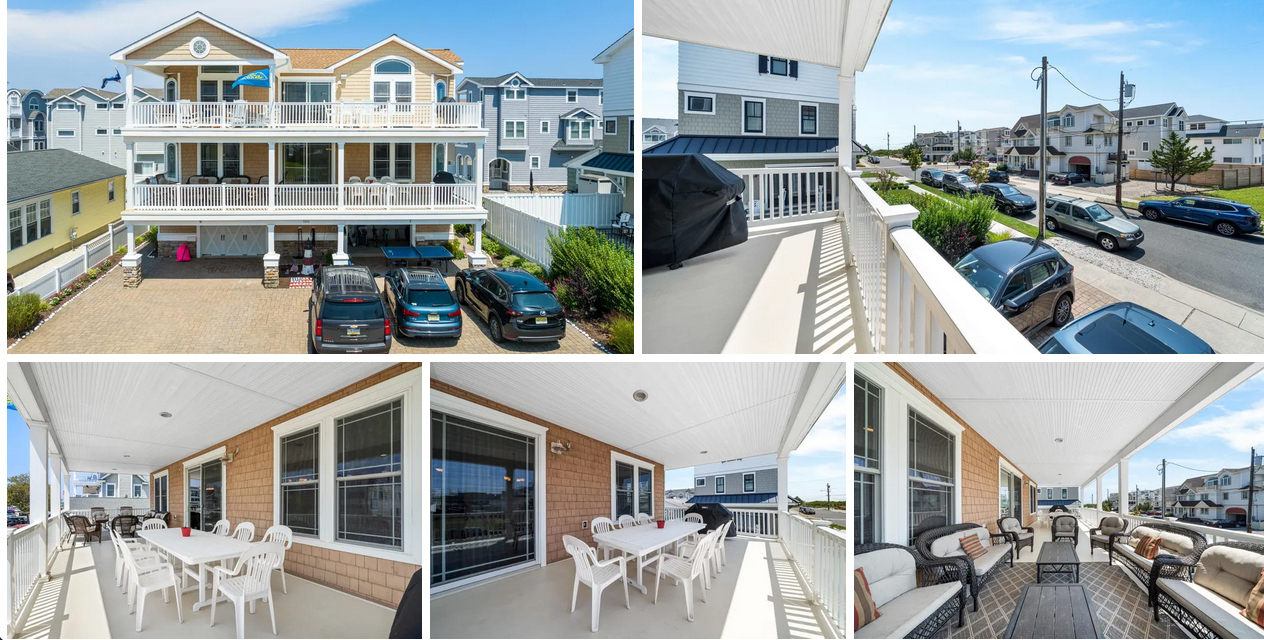
Welcome to 105 88th Street West, an artfully designed townhome on a 60’ extra wide lot, with multiple outdoor spaces and high-end finishes throughout. Located just steps from the beach, this home offers a tranquil escape from everyday life. Upon arrival you are greeted by a brick paver driveway, 1 car garage plus additional off-street parking, and professional landscaping running along the perimeter of the property. The ground floor is home two spacious storage rooms, both with wainscotting and an abundance of natural light. Take the full stop elevator or the staircase to the second floor where the open concept main living space greets you with rich hardwood floors, high ceilings, and plenty of natural light pouring in. A cozy stone facade fireplace anchors the living space and provides warmth on chilly evenings. The dining area sits in the middle of the space and features a double door pantry and direct access to the expansive covered deck that runs the length of the home for seamless alfresco entertaining. The eat-in kitchen is adorned with solid wood cabinetry, stainless steel appliances, and a large center island with additional casual seating. Plush carpeting runs throughout the relaxing primary suite with high ceilings and a private ensuite full bathroom. Three additional bedrooms round out this home, enjoying the use of two full hall bathrooms. A stacked washer and dryer are located in the midst of the bedrooms for ultimate convenience. Located in Townsend Inlet, residents of this home enjoy tranquil surroundings. Just steps from Townsend Inlet Waterfront Park, this home is conveniently located to all that southern Sea Isle City has to offer. For the investors, this unit has an extensive rental history!

Interior Features on this home for sale at 105 88th St. Sea Isle City, NJ. 08243
Interior DetailsNumber of Rooms: 10
Beds & BathsNumber of Bedrooms: 4Number of Bathrooms: 3Number of Bathrooms (full): 3
Appliances & UtilitiesAppliances: Range, Refrigerator, Washer, Dryer, Dishwasher, Gas Water HeaterDishwasherDryerRefrigeratorWasher
Heating & CoolingHeating: Natural Gas,Forced Air,Fireplace(s)Has CoolingAir Conditioning: Central AirHas HeatingHeating Fuel: Natural Gas
Fireplace & SpaHas a Fireplace
Windows, Doors, Floors & WallsFlooring: Hardwood
Levels, Entrance, & AccessibilityLevels: TwoElevatorFloors: Hardwood
ViewHas a ViewView: Water
Exterior Features
Parking & GarageHas a GarageHas Open ParkingParking: Garage,Concrete
Water & SewerSewer: City
Days on Market
Days on Market: 7
Property Information
Year BuiltYear Built: 2007
Property Type / StyleProperty Type: ResidentialProperty Subtype: Townhouse
BuildingNot a New Construction
Property InformationIncluded in Sale: Furniture
Price & Status
PriceList Price: $1,999,000
Active Status
MLS Status: ACTIVE
Location
Direction & AddressCity: Sea Isle City

PLEASE NOTE: Some properties which appear for sale on this website may no longer be available because they are under contract, have sold or are no longer being offered for sale, they may also have updated pricing and conditions. Please Contact Me for more information about this home for sale at 105 88th St. Sea Isle City, NJ. 08243 and other Homes for sale in Delaware County PA and the Wilmington Delaware Areas
Anthony DiDonato
ABR, AHWD, RECS, SRES
, SFR
CENTURY 21 All-Elite Inc.

Home for Sale in Delaware County PA Specialist
3900 Edgmont Ave, Brookhaven, PA 19015
Office Number: (610) 872-1600 Ext. 124
Cell Number: (610) 659-3999 {Smart Phones Click to Call}
Direct Number: (610) 353-5366 {Smart Phones Click to Call}
Fax: (610) 771-4480
Email: anthony@anthonydidonato.com
Call me for info on this home for sale at 105 88th St. Sea Isle City, NJ. 08243

Listing courtesy of Dustin Laricks – COMPASS RE – Sic

Why Invest in 360-Degree Tours and How to Get Started

360-degree tours give listings an extra edge and weed out the window shoppers from serious buyers. So now the question is, do you hire a professional or create your own?

I was an early adopter of 360-degree tours for listings in 2014 because I saw both the value in distinguishing myself from the competition and the benefits for buyers and sellers alike. We’ve used them for every listing no matter the price point, and our portfolio includes over 120 tours across various platforms.

Today there are more options than ever to capture and display listings.

So why should you be using 360-degree technology?

“While pre-COVID, virtual tours may have been a nice-to-have, today they are a must-have(link is external) to help differentiate a real estate agent from competitors,” says Dan Smigrod, founder of We Get Around Network, a resource focused on helping real estate professionals with 3D and 360 platforms. “Potential home sellers are starting their journey online.”

By not utilizing 360-degree technology, you may not even know you are missing business opportunities.

“Prospective buyers who contact an agent after taking an online virtual tour are far more likely to be serious about buying the property than the neighbor and their friends who show up at an open house for something to do over the course of a weekend,” says Brad Filliponi, co-founder of BoxBrownie(link is external)., a 2018 National Association of REALTORS® REACH partner.

Working With a Professional

According to Smigrod, more than 50% of all real estate agents outsource real estate photography and virtual tours to professional real estate photographers.

“As a real estate agent, if you have a multimillion-dollar listing, are time-poor or want ultra-premium results, you should always hire a professional,” he says.

Hiring a professional to create a standalone 360-degree tour will typically cost around $200. The 360-degree tour service is often sold either as part of a marketing package or as a package add on. Searching for local providers in my area in Minnesota, the results showed that several companies offer packages that include photos, a virtual tour and a floor plan for between $340 and $475. Most quoted a turnaround time between 24 and 48 hours.

Many camera providers also have a network of photographers, with a directory on their websites where interested clients can book directly with the photographer. For example, Asteroom(link is external) has on-demand photographers in over 70 metro areas. Clients can book with the photographer for a $299 package that includes a 3D tour, floor plan, 30 MLS shots and virtual twilight shots.

Going the DIY Route

Creating DIY 360-degree tours isn’t as out of reach as it may seem. In fact, Smigrod says he’d prefer to do so.

“In this piping-hot market, with such easy access to the 360-degree cameras and photo editing technology, if I were [an agent], I would definitely be shooting 360-degree virtual tours myself,” he says. “It gives you an instant advantage over your competition.”

There is an upfront cost to think about. Going DIY means acquiring the necessary technology if needed and covering ongoing hosting fees. Smigrod recommends deciding on which platform(link is external) first, then picking out a camera and additional equipment. The process to create, capture and edit a tour is different for each platform, and the way the properties are displayed and navigated differs, so choose your preferred platform and then find a compatible camera.

Hosts charge either a flat fee or an ongoing monthly payment. BoxBrownie offers a flat fee per tour, starting at $16. Asteroom is $59 per tour. Ricoh(link is external) costs around $45 a month, and Matterport(link is external)’s most popular plan is $69 a month.

Then it’s time to pick equipment. For DIY 360-degree tours you’ll need:

  • Camera
  • Tripod
  • Memory card

For cameras, Insta360(link is external) offers a package that includes the One X2 camera, a tripod and a memory card for around $500. Ricoh’s Theta line ranges from $300 to $1,000 for the camera alone; you can add a good tripod for about $100.

If you’d like to skip the camera altogether and use your phone instead, Asteroom offers a DIY kit that includes a tripod and rotator. The cost for the pair is $110. If, however, you decide you want to use a camera, the kit is also compatible with Ricoh, Insta360 and Trisio cameras.

Though the upfront cost might feel like a heavy lift, shooting virtual tours yourself is much more affordable than hiring a professional every time, says Filliponi.

Testing the Options

I tested a number of platforms. Five of those were done by professionals. For the others, I opted for DIY with a few different camera options.

I found the DIY process straightforward. Using one of the above-mentioned apps on my phone and a camera on a tripod, each 360-degree tour took from 20 to 30 minutes. The Matterport app did require some work to make sure shots were aligned properly to stitch together; each of the others simply had me label the panoramic photos prior to uploading. Ricoh’s tour platform required adding navigation points and choosing starting points. Of the DIY options, only Asteroom included a floor plan; the others required uploading your own. Ricoh plans to release an automated feature to create floor plans from the 360-degree images in the near future.

There can be discrepancies in room measurements and overall square footage among platforms. “We really hang our hat, so to speak, on our degree of accuracy,” says Michael Vervena, VP of sales & marketing for iGuide. “We know from studies buyers want accurate and reliable listing information. Accurate square footage and room dimensions are critical for providing the best service for buyers and sellers so they can easily make informed decisions.”

Here are some examples of the various platforms and camera solutions. Click on each link for a look at the 360-degree video the listed platform and camera produce.

Professional 360-Degree Tours

  1. Matterport shot by professional using Pro 2 camera(link is external)
  2. RealVision shot by professional using DSLR(link is external)
  3. Asteroom shot by professional using Trisio
  4. EyeSpy360 from Obeo(link is external)
  5. iGuide(link is external)

DIY 360-degree Tours

  1. Asteroom shot with cellphone
  2. BoxBrownie shot with Theta Z1(link is external)
  3. Matterport shot with Insta360(link is external)
  4. Ricoh360 tours shot with Theta Z1(link is external)

Using Tours on the MLS

Using 360-degree tours on the MLS requires that you take steps to ensure you’re in compliance with MLS policy. First, make sure the tour is unbranded. Next, there can’t be any external links within the tour—you’ll want to comb all aspects of the tour, including the map and disclaimer, to make sure there are no external links. Most companies are aware of this requirement and have the option to turn off the links to make the tours MLS-friendly. Be sure to verify compliance ahead of time to avoid a fine from your MLS.

If you haven’t embraced 360-degree tours for your listings yet, hopefully, you might try them. There are many ways to capture a property, and it doesn’t have to cost a lot of money. It was a lot of fun testing these different solutions. Which do you think looks best? What listing trends are you seeing in your marketplace?

©National Association of REALTORS®
Reprinted with permission

Technology REALTORS® Use the Most

Real estate pros are connected to multiple tech platforms on a daily basis. Get insights on the most popular ones from NAR’s 2022 Member Profile.

REALTORS® use multiple technology platforms daily to promote their business and stay connected to clients. While smartphones and email are key tools that facilitate most of those connections, 53% of REALTORS® also use social media apps or GPS features daily, according to the National Association of REALTORS®’ 2022 Member Profile.

Typing proves more popular than talking to clients. According to the survey, 94% of REALTORS® say they prefer to communicate with their clients over text message, followed by telephone (92%) or email (90%). About 27% of REALTORS® say they prefer to use video chat to connect with customers.

Here’s a snapshot of more technology use among REALTORS®.

Keeping a website presence: Websites continue to be a big piece of maintaining a digital presence online. Eighty-four percent of REALTORS® say they included their own property listings on their residential brokerage website, along with home buying and selling information, links to their brokerage’s website, social media links, and mortgage or financial calculators. Commercial brokerage specialists were more likely to include links to the commercial information exchange, virtual tours, comparative market analysis, and the National Association of REALTORS® on their websites.

While websites are viewed as a key tool among real estate professionals, 57% of REALTORS® reported bringing in no inquiries or business directly from their website; 27% cited one to five inquiries from their website.

Chart of REALTOR website usage

Staying connected on social media: Seventy-two percent of members say they use Facebook for professional use; 55% use LinkedIn; and 45% use Instagram professionally. Still, more than a quarter of members—or 29%—say they do not use social media at all for their business. (View: 7 Tips to Help Brokers Master Social Media and Develop a Growth Strategy for Your Social Media Content)

chart of Realtors' social media usage

Leveraging business software: Sixty-three percent of REALTORS® use MLS software every day. Other software used regularly includes electronic contracts and forms, along with e-signature, document preparation, contact management, and social media management tools, the survey shows.

chart of Realtors' software usage

©National Association of REALTORS®
Reprinted with permission
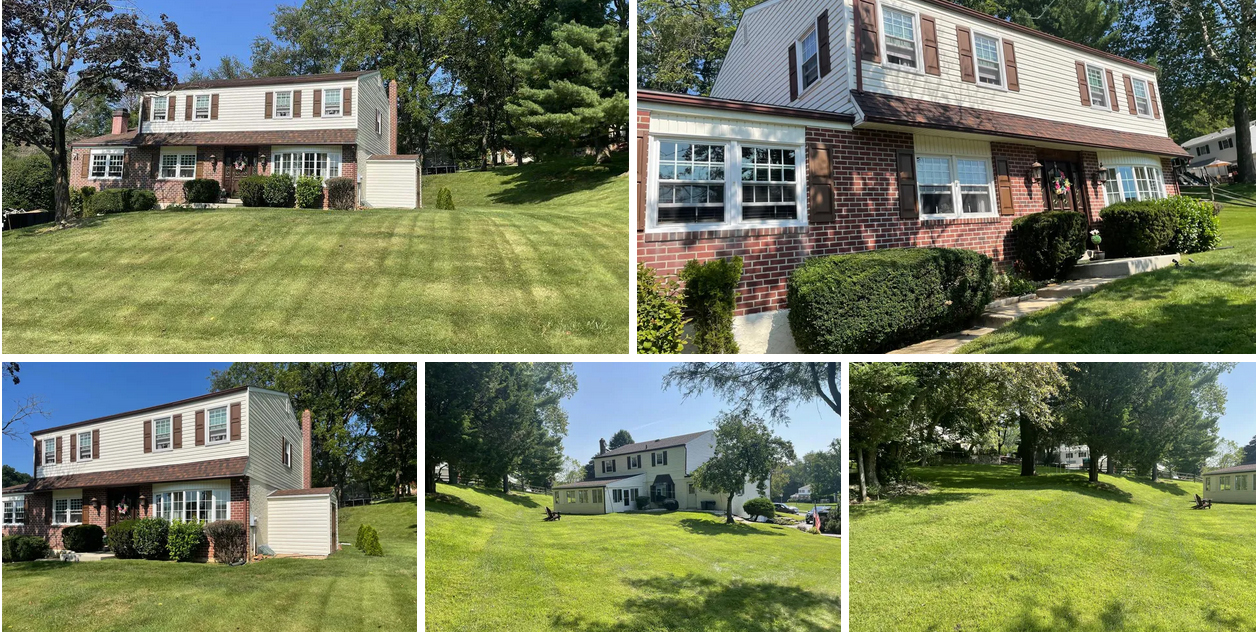
Delco / Broomall Home – 2607 Andrew Rd. Broomall, PA. 19008

2607 Andrew Rd. Broomall, PA. 19008

Listing courtesy of John Williams – Springer Realty Group

$695,000

Est. Mortgage $4,845/mo*
4 Beds
3 Baths
3166 Sq. Ft.

Description about this home for sale at 2607 Andrew Rd. Broomall, PA. 19008

Welcome home to 2607 Andrew Rd., a well maintained spacious 4 bedroom, 2.5 bath center hall colonial home nestled on a beautiful park like setting on a quiet street in the sought after Parkwynne Estates community in the Marple Newtown School district. Some of the many wonderful features of this fantastic home include hardwood floors that welcome you into the center hall foyer through a leaded glass main entrance and flow throughout the main level that includes a large formal living room with an oversized bay window looking out over the beautiful front yard, a formal dining room that is adjacent to the chefs kitchen with lots of custom cabinetry, stainless appliances, tile backsplash and an adjacent breakfast room that looks out into the beautiful backyard with lots of lush landscaping. Also adjacent to the kitchen is a family room that walks out to the lovely four season heated and air conditioned sunroom and patio. There is also a spacious office/study and completing the main level is a half bath and main level laundry / mudroom. On the upper level of this lovely home is a master suite with two large walk in closets, a dressing area and an en-suite bath, three additional spacious bedrooms and a hall bath with double vanities. The finished basement offers plenty of additional recreational room and storage as well as a second office/study, a workshop and utility area. This turnkey home is move in ready with nothing to do but move right in and enjoy everything the home and community have to offer.

Interior Features on this home for sale at 2607 Andrew Rd. Broomall, PA. 19008
Interior DetailsBasement: Partial,Garage Access,Improved,Interior Entry,Exterior Entry,Partially Finished,Walkout Level,WorkshopNumber of Rooms: 1
Beds & BathsNumber of Bedrooms: 4Number of Bathrooms: 3Number of Bathrooms (full): 2Number of Bathrooms (half): 1Number of Bathrooms (main level): 1
Dimensions and LayoutLiving Area: 3166 Square Feet
Appliances & UtilitiesAppliances: Built-In Range, Built-In Microwave, Dishwasher, Microwave, Self Cleaning Oven, Stainless Steel Appliance(s), Oven/Range – Gas, Gas Water HeaterDishwasherLaundry: Main Level,Laundry RoomMicrowave
Heating & CoolingHeating: Forced Air,Natural GasHas CoolingAir Conditioning: Central A/C,ElectricHas HeatingHeating Fuel: Forced Air
Fireplace & SpaNo Fireplace
Windows, Doors, Floors & WallsFlooring: Hardwood, Carpet, Ceramic Tile, Wood Floors
Levels, Entrance, & AccessibilityStories: 2Levels: TwoAccessibility: NoneFloors: Hardwood, Carpet, Ceramic Tile, Wood Floors
Exterior Features
Exterior Home FeaturesRoof: Architectural Shingle AsphaltPatio / Porch: PatioOther Structures: Above Grade, Below Grade, OutbuildingExterior: Flood Lights, Sidewalks, Street LightsFoundation: Concrete PerimeterNo Private Pool
Parking & GarageNumber of Garage Spaces: 1Number of Covered Spaces: 1Open Parking Spaces: 4No CarportHas a GarageHas an Attached GarageHas Open ParkingParking Spaces: 5Parking: Additional Storage Area,Basement Garage,Garage Faces Side,Garage Door Opener,Inside Entrance,Attached Garage,Driveway,Off Street,On Street
PoolPool: None
FrontageNot on Waterfront
Water & SewerSewer: Public Sewer
Finished AreaFinished Area (above surface): 3166 Square Feet
Days on Market
Days on Market: <1 Day on Trulia
Property Information
Year BuiltYear Built: 1972
Property Type / StyleProperty Type: ResidentialProperty Subtype: Single Family ResidenceStructure Type: DetachedArchitecture: Colonial
BuildingConstruction Materials: Vinyl Siding, BrickNot a New Construction
Property InformationCondition: Very GoodNot Included in Sale: Washer, Dryer, Kitchen Refrigerator, Window Curtains / Treatments And All Other Personal Property.Included in Sale: Built In’s (two Bedrooms).Parcel Number: 25000001406
Price & Status
PriceList Price: $695,000Price Per Sqft: $220
Status Change & DatesPossession Timing: 0-30 Days CD, 31-60 Days CD, Negotiable, Close Of Escrow
Active Status
MLS Status: ACTIVE
Location
Direction & AddressCity: BroomallCommunity: Parkwynne Estates
School InformationElementary School District: Marple NewtownJr High / Middle School: Paxon HollowJr High / Middle School District: Marple NewtownHigh School: Marple NewtownHigh School District: Marple Newtown

PLEASE NOTE: Some properties which appear for sale on this website may no longer be available because they are under contract, have sold or are no longer being offered for sale, they may also have updated pricing and conditions. Please Contact Me for more information about this home for sale at 2607 Andrew Rd. Broomall, PA. 19008 and other Homes for sale in Delaware County PA and the Wilmington Delaware Areas
Anthony DiDonato
ABR, AHWD, RECS, SRES
, SFR
CENTURY 21 All-Elite Inc.

Home for Sale in Delaware County PA Specialist
3900 Edgmont Ave, Brookhaven, PA 19015
Office Number: (610) 872-1600 Ext. 124
Cell Number: (610) 659-3999 {Smart Phones Click to Call}
Direct Number: (610) 353-5366 {Smart Phones Click to Call}
Fax: (610) 771-4480
Email: anthony@anthonydidonato.com
Call me for info on this home for sale at 2607 Andrew Rd. Broomall, PA. 19008

Listing courtesy of John Williams – Springer Realty Group

Vulnerability to a Cyberattack Could Land You in Court

A data breach also may cost you money and ruin your reputation. An NAR attorney helps you build a strong data security plan in the latest “Window to the Law.”

You’re putting your livelihood at risk if you’re “asleep at the wheel” when it comes to creating a data security plan, especially as the real estate industry faces growing cyberthreats, says Maame Nyamekye, staff attorney at the National Association of REALTORS®, in NAR’s latest “Window to the Law” video. The impact of a cyberattack on your business could be great: “A data security breach could potentially hurt your business financially, lead to a lawsuit and tarnish your reputation,” Nyamekye says.

Still, many businesses are unprepared. Only 35% of companies have programs in place to detect, prevent and respond to fraud threats, according to a survey earlier this year by tax services firm KPMG. “Fraud, compliance risk and cyberattacks are increasing at an alarming rate, eating away profits across the U.S.,” says Amanda Rigby, forensic service network leader at KPMG. “Collectively, these issues create a ‘threat loop,’ which can quickly overwhelm companies with economic loss, regulatory loss and reputation loss. Despite the potential for calamity, the majority of U.S. companies are not ready to fight the threat loop.”

In the video, Nyamekye highlights what brokers and agents can do to minimize their risk in the event of a data security breach. The tips are based on Federal Trade Commission principles for creating a data security plan. Nyamekye urges members to:

  1. Take stock of the information your brokerage handles and where it’s being stored. You also need to know who in the company has access to what.
  2. Have a retention policy outlining what information your company will retain and for how long based on legal requirements and your business’s needs, Nyamekye says. At least 35 states have laws addressing the proper disposal of personal information.
  3. Be proactive in having safety measures in place both for your technology and physical space to protect any sensitive information and prevent unauthorized access.

©National Association of REALTORS®
Reprinted with permission

Remote Online Notarization Is One Step Closer

Passage by the House sets the stage for a Senate vote on NAR efforts to bring more real estate transactions into the digital age.

The U.S. House of Representatives passed a bill Wednesday evening to expand the availability of remote online notarization (RON) nationwide, a key advocacy priority for the National Association of REALTORS®. The bipartisan SECURE Notarization Act now goes to the Senate for consideration.

RON allows a notary and signer in different physical locations to safely and securely execute electronic documents using two-way audiovisual communication.

Nearly half of states have expanded RON during the COVID-19 pandemic, enabling real estate professionals to facilitate closings safely and securely. But because of the patchwork of state laws, agents in other states had to adapt to drive-by closings and other social-distancing methods. NAR pressed lawmakers throughout the pandemic to pass a national RON bill while simultaneously working on the state level to enact changes.

“REALTORS® have always been leaders in technology in the real estate profession. NAR supported RON even before the pandemic,” says Shannon McGahn, NAR’s chief advocacy officer. “But now more than ever, this progress makes sense. REALTORS® want to devote their time to helping home buyers, not on paperwork.”

Even as COVID-19 becomes less of a factor, virtual sales and closings will remain in demand. In June 2022, NAR reports, 12% of sales took place virtually. Speaking about the House bill, McGahn says, “This measure establishes minimum standards to ensure strong consumer protections while providing certainty for interstate commerce.”

©National Association of REALTORS®
Reprinted with permission

Delco / Media Home – 1250 Cedar Grove Rd, Media, PA. 19063

1250 Cedar Grove Rd, Media, PA. 19063

Listing courtesy of Bryan Weinroth – Keller Williams Real Estate-Doylestown

$1,649,000

Est. Mortgage $11,702/mo*
4 Beds
4 Baths
4416 Sq. Ft.

Description about this home for sale at 1250 Cedar Grove Rd, Media, PA. 19063

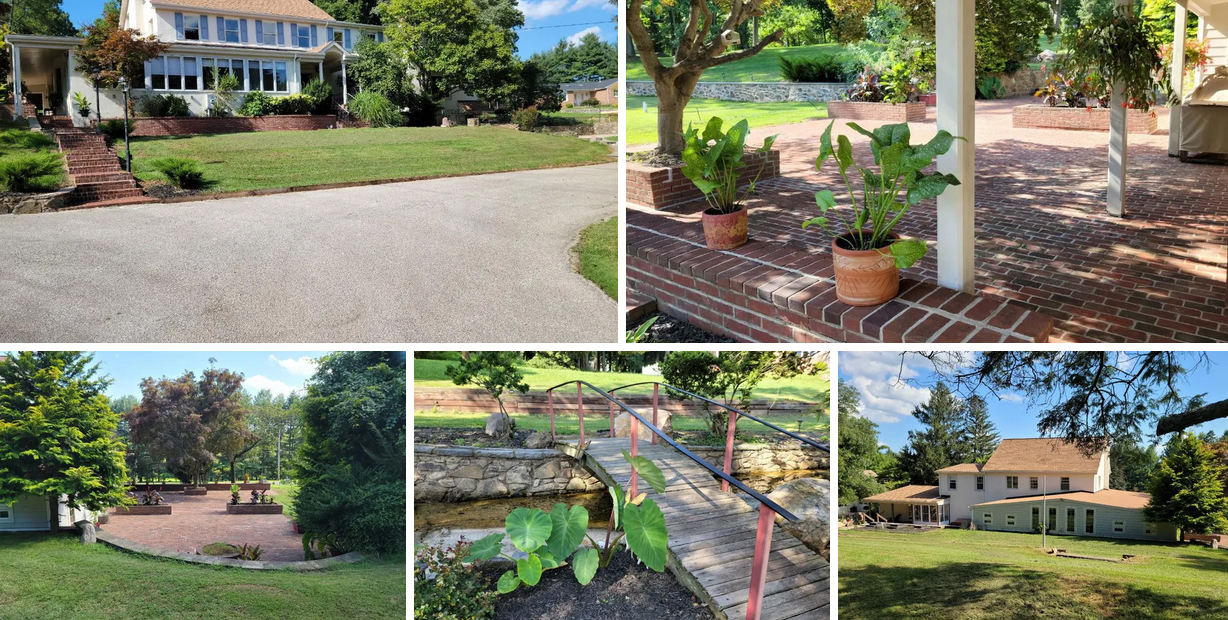
Sitting proudly since 1822 on an almost 2 acre lot in Marple township, this 19th century home has been thoughtfully and painstakingly transformed by the current owner. Extensive upgrades and modernization of electrical, plumbing and HVAC have taken place over the past several years, all overseen through the careful planning of the curator-like attention of the homeowner. The textures of stone , brick and natural wood, and several working fireplaces, make this home very warm and inviting, perfect for entertaining intimate family or larger gatherings. The rooms are more than ample in size. The floor plan flows from the gracious original 19th century doorway and foyer into several sitting and dining areas as well as the kitchen. Easy access to a magnificent outdoor entertaining area is very large brick patio. Also for entertaining guests and family, is a well equipped wet bar on the main level. The upper level contains all the bedrooms of the property and two full bathrooms. All four bathrooms in this home are full bathrooms. One bathroom each on the main level and basement and two on the second floor, one of which is in the primary suite . Attic space is well equipped with a cedar closet and room for additional storage. The grounds of the property are exquisite and well maintained. You are initially greeted through the circular driveway off Cedar Grove Rd with mature plantings and trees. Traveling to the back of the property, there is a pleasant flow into a flagstone patio and hardscape water feature alongside a beautiful area with established gardens. The rear yard meanders and is terraced and is very attractive and appealing to the eye. The attention to detail extends to the large outbuilding on the property, which is a combination of a 4 car garage and large storage space on the lower level and a massive second floor which is in the final stages of completion, with finished and painted walls, new flooring and custom decking. The upper level is a clean, fresh blank canvas waiting to be customized and designed by the home’s new owner. There is electricity and water service to the building. Parking for up to 20 + cars is not out of the question for this home. The property is unique, it is a fabulous blend of 19th century elegance and character with a modernized 21st century home of quality and character, updated with sensible attention to detail.

Interior Features on this home for sale at 1250 Cedar Grove Rd, Media, PA. 19063
Interior DetailsBasement: FinishedNumber of Rooms: 1
Beds & BathsNumber of Bedrooms: 4Number of Bathrooms: 4Number of Bathrooms (full): 4Number of Bathrooms (main level): 1
Dimensions and LayoutLiving Area: 4416 Square Feet
Appliances & UtilitiesUtilities: Fiber OpticAppliances: Refrigerator, Trash Compactor, Stainless Steel Appliance(s), Cooktop, Double Oven, Self Cleaning Oven, Freezer, Gas Water HeaterLaundry: Main LevelRefrigerator
Heating & CoolingHeating: Hot Water,Baseboard – Electric,Baseboard – Hot Water,Forced Air,Natural GasHas CoolingAir Conditioning: Central A/C,ElectricHas HeatingHeating Fuel: Hot Water
Fireplace & SpaNumber of Fireplaces: 3Fireplace: Gas/PropaneHas a Fireplace
Gas & ElectricElectric: Circuit Breakers, 100 Amp Service, 200+ Amp Service
Windows, Doors, Floors & WallsWindow: Window TreatmentsFlooring: Hardwood, Wood Floors
Levels, Entrance, & AccessibilityStories: 2Levels: TwoAccessibility: NoneFloors: Hardwood, Wood Floors
Exterior Features
Exterior Home FeaturesRoof: AsphaltPatio / Porch: Deck, Patio, EnclosedFencing: OtherOther Structures: Above Grade, Below Grade, OutbuildingExterior: Extensive Hardscape, OtherFoundation: Stone, Concrete Perimeter, BasementNo Private Pool
Parking & GarageNumber of Garage Spaces: 4Number of Covered Spaces: 4Open Parking Spaces: 16No CarportHas a GarageNo Attached GarageHas Open ParkingParking Spaces: 20Parking: Additional Storage Area,Oversized,Garage Faces Front,Other,Circular Driveway,Paved Driveway,Paved,Private,Detached Garage,Driveway
PoolPool: None
FrontageNot on Waterfront
Water & SewerSewer: Public Sewer
Farm & RangeNot Allowed to Raise Horses
Finished AreaFinished Area (above surface): 4416 Square Feet
Days on Market
Days on Market: 2
Property Information
Year BuiltYear Built: 1822Year Renovated: 2021
Property Type / StyleProperty Type: ResidentialProperty Subtype: Single Family ResidenceStructure Type: DetachedArchitecture: Colonial
BuildingConstruction Materials: Stucco, Brick, StoneNot a New ConstructionNo Additional Parcels
Property InformationCondition: ExcellentNot Included in Sale: All Personal PropertyIncluded in Sale: All Major Appliances To Remain In “as Is” ConditionParcel Number: 25000061402
Price & Status
PriceList Price: $1,649,000Price Per Sqft: $373
Status Change & DatesPossession Timing: 90-120 Days CD
Active Status
MLS Status: ACTIVE
Location
Direction & AddressCity: MediaCommunity: None Available
School InformationElementary School District: Marple NewtownJr High / Middle School District: Marple NewtownHigh School: Marple NewtownHigh School District: Marple Newtown

PLEASE NOTE: Some properties which appear for sale on this website may no longer be available because they are under contract, have sold or are no longer being offered for sale, they may also have updated pricing and conditions. Please Contact Me for more information about this home for sale at 1250 Cedar Grove Rd, Media, PA. 19063 and other Homes for sale in Delaware County PA and the Wilmington Delaware Areas
Anthony DiDonato
ABR, AHWD, RECS, SRES
, SFR
CENTURY 21 All-Elite Inc.

Home for Sale in Delaware County PA Specialist
3900 Edgmont Ave, Brookhaven, PA 19015
Office Number: (610) 872-1600 Ext. 124
Cell Number: (610) 659-3999 {Smart Phones Click to Call}
Direct Number: (610) 353-5366 {Smart Phones Click to Call}
Fax: (610) 771-4480
Email: anthony@anthonydidonato.com
Call me for info on this home for sale at 1250 Cedar Grove Rd, Media, PA. 19063

Listing courtesy of Bryan Weinroth – Keller Williams Real Estate-Doylestown

Know When That Phone Call Is a Real Estate Scam

Bad actors are taking advantage of surging demand for remodeling projects and home warranties to dupe consumers. Share these warning signs with your clients.

Housing-related phone scams surged by more than 300% in May, according to telecommunications technology provider First Orion’s 2022 Mid-Year Phone Scam Report(link is external). Scammers increasingly are trying to dupe consumers on home-related items, including remodeling projects and home warranties.

Home warranty scams targeting seniors are skyrocketing, the report shows. Such schemes typically provide a callback number that captures the personal information of those who respond. First Orion estimates that U.S. mobile subscribers received more than 100 billion scam phone calls during the first six months of 2022. That resulted in financial losses of up to $40 billion.

Overall, the most common and emerging phone scams across industries involved vehicle warranties, health care, Social Security, life insurance, financial assistance and home warranties, the First Orion report finds. Kent Welch, First Orion’s chief data officer, recently spoke with REALTOR® Magazine about the growth in home-related scams and what consumers need to watch out for.

Q: What’s behind the big jump in the number of housing-related scams lately?

A: Scams are a big business, and we see scammers alter their tactics and their ploys to fit the season or the current events. We often notice seasonal trends; for example, tax scams soar during the first-quarter tax preparation season. Scammers also tend to take advantage of consumers’ needs, which can be tied to current events or pending legislation around themes such as student loan forgiveness.

It’s been a seller’s market lately in housing. During the pandemic, record numbers of consumers quit their jobs or retired early, opting to downsize or sell to take advantage of inflated pricing associated with the recent demand for homes. Likewise, consumers working from home have fueled an increase in demand for homes outside the typically strong job markets. Also, remodeling projects and home enhancements are in demand.

Interest rates are also going up, which can spark a rush on the housing market from buyers who are anxious to lock in rates or renters who want to move but can’t commit to a long-term loan.

What housing-related scams are you noticing increasing the most?

In June, housing-related scams were still growing, but by more like 90%, as opposed to the more than 300% growth in May. Here are some examples from more recent phone call scams:

  • “Hi, this is Suzie. I’m a homeowners associate calling on a recorded line in regards to safety concerns within your home. How are you doing today? I’m with Consumer Council regarding home improvement. My callback number is…” 
  • “Hi, this is Laura. I’m a homeowners associate calling on a recorded line in regards to making improvements within your home. How are you doing today? I’m with remodeling loans. My callback number is…”
  • “Hi, this is Stephanie. I’m a homeowners associate calling on a recorded line in regards to safety concerns within your home. How are you doing today? I’m with customer care regarding home improvement. My callback number is…”

Some of the buzzwords like “remodeling” and “safety concerns” are interesting. The scams are targeting more of the homeowner population as opposed to the mix of homeowners and renters, like in May.

The reference to “Consumer Council” is very common with other scams like Medicare, health care and vehicle warranty, suggesting the same scammers are alternating the theme, but the messaging is mostly the same or similar to other scams.

How can homeowners or renters avoid becoming a victim of these scams? Any more tips or red flags they should beware of?

First and foremost, don’t answer unknown numbers. If it’s important enough, they’ll leave a voicemail.

Perhaps one of the biggest mistakes people make on these calls is giving out personal information like their Social Security number or birth date over the phone. And definitely don’t give away banking information if you’re unsure if the person calling is in fact from your bank or, in this case, an homeowners association or a landlord. If they ask you to pay with a gift card or wire transfer, it’s definitely a scam. Hang up, look up the phone number to verify it and call them back.

Additionally, if you hear a robotic voice asking you if you’d like to be placed on the “do not call list,” don’t fall for it. Don’t press the button, don’t say yes—because that’ll put you on a list of active callers. Just hang up.

Lastly, consider getting a call tagging or call blocking service or consider registering with the federal Do Not Call registry(link is external).

Is there anything you’d like the real estate community to know about helping to educate their clients on this?  

Branded communication is helping to restore trust between businesses and their customers over the phone. Businesses can brand calls with their logo, company name, department and reason for calling on the recipient’s mobile device at the time of the call and in the call log afterward, increasing the likelihood the customer calls back. With so many people now conditioned to ignore calls from unknown numbers, this reduces the number of unanswered calls and also helps identify the real calls from the fraudulent ones.

©National Association of REALTORS®
Reprinted with permission

Transform Your Short-Term Rentals Using Channel Distribution Tech

Navigating the short-term rental business wasn’t the easiest task when real estate agent Jessica Larsen got started, but channel distribution technology helped her streamline her process and save money.

When Jessica Larsen, broker-owner at Kismet Enterprises in Dennis, Mass., added short-term rentals to her business model in 2012, she did well, even though she juggled several listing sites and their inherent issues. Vacation rental sites didn’t offer the best in technology, despite being around for quite some time—Vrbo since 1995 and Airbnb since 2008.

“You were on Airbnb and Vrbo, and you [also] had a direct booking site. That was quite an opportunity for double bookings because there was nothing that seamlessly indicated the booking calendar, and all of the tech itself was still new. So, you had to contend with the fact that the platforms were kind of making it up as they went along,” Larsen says.

Listings management has always had its fair share of challenges. When Larsen was starting out, one issue that came up was when the owner of a vacation rental wanted to stay in that home for a week and needed to block that time period off from the listing’s calendar. Larsen would have to log into five or six different websites to make sure the time was blocked off on each in order to avoid a double booking.

The Trials of Managing Short-Term Rentals

Another issue is that Cape Cod is a popular leisure destination but seasonal in nature. Larsen’s short-term rental business increases in the spring and peaks in the summer season, followed by a dramatic drop in business in the fall and winter once everyone returns to school and temperatures drop. To keep up with the bookings during the busy seasons, Larsen was using both technology and reservations teams that required training and oversight. “You have to be prepared to staff and hold that cost even during your low season. That was a massive challenge for somebody like me.”

Larsen found that the general outlook toward the use of online travel agencies in her own profession presented a challenge as well. The traditional rental process is to have renters book and pay directly, since the most common agent approach was, Larsen says, “Do not go on those platforms. Don’t give them your money. As realtors, we never know whether technology is our friend. Are they going to take my listings, or help me? That’s the big challenge.”

As highly dedicated and hungry for work as Larsen was when she set up her business, she wasn’t yet well-funded. The question became: How do you build and direct traffic to your listings to compete with these long-established travel agency platforms?

“You don’t,” Larsen says. Instead, she leaned into using them, even though the cost was sometimes steep. “Sure, we’re paying them, and it could be as much as 15 percent. That’s a lot of money, but you’re creating a database somewhere that you can go back to and direct market to. The idea is that this gets you started, and it’s a great way to level the playing field. I knew that I wanted to take my listings and put them on multiple OTAs, and that would be how I got the ball rolling.”

Sifting Through Channel Distribution Tech Options

While this approach was helpful and did help establish Larsen in the short-term rental business, the constant upkeep became cumbersome. She decided to make a tech-savvy move that streamlined and transformed her short-term rental business: channel distribution technology. As Larsen puts it, “channel distribution technology is sort of like an MLS for short-term rentals. I go into a single database, I enter my listings there, and they go out to the internet from that database.”

From her many years in short-term rentals and co-hosting, Larsen heard and read a lot of feedback about the existing CDTs on the market and their costs and limitations. “I knew none of the CDT platforms I was familiar with had what I was looking for, even if I really didn’t know what I was looking for. Channel distribution wasn’t even in my vernacular at the time. As I recall, I Googled ‘MLS for short term rentals,’ and came upon Jetstream(link is external).” Although this CDT platform was geared toward the hotel, motel, and resort space at the time, Larsen immediately saw its potential for her real estate business.

Streamlining Business and Saving Money

A couple of factors immediately won her over to this CDT platform: no upfront cost and the ability to put her listings up with white labeling. Because Jetstream uses its own tech, this saved Larsen the cost and hassle of integrating new software into her daily operations. “Implementing and training agents is a quagmire of doom. We were able to get to work on day one, because all we had to do was bring listing agreements. The rest of the online work is basically done for us. And I would pay when I get paid. I was like, ‘Wait a minute, what?’ That really got the ball rolling in my business.”

And after years of answering guest messages at all times of the day, having the professional buffer of a white-label guest communications team “was another absolute game changer, and it gave me a tremendous amount of time back, which could be put to better use in my business.” Now, Larsen offers her clients 24-hour guest communications and response time in 11 languages. Outsourcing to Jetstream also meant there was no need for her to build an in-house reservations team, which is especially helpful due to the lack of labor in a seasonal community like Cape Cod.

Larsen worked with the company for about a year to tailor the solution for real estate partners. (Currently, there are only about a dozen or so other similar CDT platforms that exist for real estate.) Now, with her listings automatically uploaded to Vrbo, Airbnb and other vacation rental websites, Larsen spends a lot less time behind the computer and more time interacting with clients.

Using a CDT platform has allowed Larsen to not only better position her brand and listings online but resulted in the growth of her business. “We have increased our occupancy, and we are making way more money by embracing the pricing dynamics and working closely with our revenue manager. When we make more money, our owners make more money,” she says.

Larsen believes that getting comfortable with tech solutions is critical for the success of current and future real estate agents. “I am of the belief that if real estate agents do not embrace this tech, the property managers and co-hosts will swoop in—heck, the owners might even go direct. Real estate agents will fall out of relevance in this marketplace if we don’t lead the way on embracing these technologies and establishing ourselves as the listing professionals in this vertical.”

©National Association of REALTORS®
Reprinted with permission

How to Build Out Your Smart Home

I’ve tested hundreds of smart-home products over the years and provided written and video comparisons in each product category. Along the way, I’ve learned a lot about what’s needed and what’s not, what the top brands are, and where to get started.

(And big thanks to my wife for her unending patience as I tinkered with, traded, installed, and uninstalled, and upgraded our various smart-home features.)

Opt for Quality Over Price

The options are endless when it comes to smart-home features, but that doesn’t necessarily mean a cheaper product will be better. In many cases the cheaper off-brand products you might find may not perform as well and can lead to headaches down the line. I recommend watching for package deals and deep discounts from trusted brands on popular sale days like Prime Day and Black Friday.
 

Pick Your Ecosystem

You’ve probably heard of Amazon’s Alexa, Google’s Home, Nest and Assistant, and Samsung’s SmartThings. These ecosystems act as the brain that ties all of your products together and creates automations. There are a lot of other options out there, from advanced do-it-yourself platforms that are perfect for the tinkering types to professionally installed systems that are typically found in luxury homes.

Great content that focuses on DIY systems such as the Home Assistant control system is abundant on YouTube. However, proceed with caution. I’ve found that unless smart-home tech is your hobby, DIY isn’t always the best choice if you’re looking to save time. And while systems like Crestron, Control4, Savant and Elan have incredible capabilities, setup does require a professional, which can start at around $20,000.

Most people opt to build a system themselves using an already established system like Alexa, Assistant or Apple’s HomeKit. The good news is that no matter the platform you choose, they’re all great. I invested in the Amazon ecosystem and tend to purchase devices that work well with that platform; however, I do have experience using Google’s, including its Nest products—in fact, I use a Samsung phone, so I had to borrow my wife’s iPhone anytime we tested products that use HomeKit.

The key to a synced ecosystem is to ensure you choose products that work well with the brand. Some products, such as Lutron’s Caseta dimmer switches, will work well across all platforms. Other product categories, however—particularly security cameras and doorbells—won’t integrate properly or will lack features if used across platforms.

I love that video from my Ring doorbell automatically displays on my Amazon Echo Show devices and Fire TVs, but unfortunately, it doesn’t do so on a Google Home Hub, Chromecast or Apple TV. Those who are all-in on Google or Apple use a single app to access all the features of a product, whereas, with my Amazon setup, I control some products through the Alexa app but require additional apps for lighting and shades and for the thermostat, doorbell, security system and locks.

Once you’ve determined which platform you’re going to use, it is best to try to work within that ecosystem.

Choose a Robust Home Network

When I first got into smart-home technology, I mainly purchased devices that connected directly to my Wi-Fi network, but I quickly realized that my router couldn’t handle that many devices at once. I routinely had problems like light switches dropping off the network. I ended up spending more money to upgrade the router, and when my wife and I moved, I decided to add a hub and bridge for certain devices such as switches, lightbulbs and sensors.

If you’re just getting set up in your home or you’re planning to add a number of devices, it is important to start with a strong network. If you’re still using a router provided by your internet service provider, consider replacing it. I recommend using a mesh system router such as Eero or Google Wi-Fi. You might spend a few hundred dollars upfront, but you’ll save by not having to rent a similar system from your ISP.

Start Small to Avoid Being Overwhelmed

I’m often messaged by new-home buyers who are super excited to add smart features to their homes, but they don’t know where to start or lack the funds to buy everything they want. I advise them that building a smart home doesn’t have to break the bank. Homeowners can get started for around $200, which could get you a smart speaker with a voice assistant and a switch, lightbulb, thermostat or smart lock.

I recommend starting small and then adding room by room as the budget allows. Smart thermostats will pay for themselves with reduced energy costs, while smart locks and doorbells add security and peace of mind. An average smart home can cost around $2,000. That price point buys hubs, voice assistants, security, lighting, comfort, convenience and entertainment products. Companies like Wyze and Eufy often offer affordable systems. You might also opt to focus on a specific aspect of your home—safety features or lighting, for instance—to invest in first.

Security Features

One of the biggest reasons homeowners purchase smart-home products is to monitor their homes remotely, using devices such as smart locks, video doorbells, security cameras and systems. With interconnected devices and an internet connection, you can view and control your home from anywhere in the world on your smartphone.

Smart Lighting

My favorite category of smart-home technology is lighting. The variety is vast. Smart switches, bulbs and light strips can be controlled remotely, by voice, or in automation. The average smart switch costs around $50, and bulbs range from $10 to $60 each, so this is an area that can add up if you decide to do your entire home, but I find it’s well worth the cost.

Robot Vacuums

Robot vacuums have come a long way since the original Roomba was introduced in 2002. They can now intelligently map your home, mop as they go, and even empty their own bins. I’m a big fan of the Roborock lineup; we’ve got a Corgi at home that sheds quite a bit, so it’s nice having the vacuum run on a schedule. Wyze offers a robot vacuum with lidar, which uses a sensor to avoid collisions, for only $250, and Roborock’s Q5+ starts at $700.

Smart Speakers

I love having smart speakers all around our house. We use them to control the lights, check the weather, settle debates by asking them questions, and, of course, listen to ’80s rock, the greatest music of all time. When I’m in my office or watching TV and the doorbell rings, I can see who it is and decide if I need to sign for a package or hide from a door-to-door salesperson—that is, unless they’ve got Girl Scout cookies.

Without my smart speakers, I’d be forced to pull out my phone (that definitely wasn’t already in my hand) and look at the doorbell app, or—God forbid—get up and answer the door without knowing who it is first.

Overall, building out a smart home takes a little research, some time and a bit of money, but the upgrades, safety and convenience make it all worthwhile, as I’ve found through my years of testing. I hope you’ve found these experiences helpful, and if you want to learn more, be sure to check out the rest of the Ultimate Smart Home series.

©National Association of REALTORS®
Reprinted with permission